

Subscribe to Updates

    Get the latest creative news from FooBar about art, design and business.

    What's Hot

    Effective Neck Pain Management Solutions for Seniors

    May 1, 2026

    Exploring the Treatments for Dementia

    May 1, 2026

    How to Build a Lasting Relationship with Your Optometrist

    May 1, 2026
    Facebook Twitter Instagram
    • Privacy Policy
    • About Us
    • Get In Touch
    Friday, May 1
    newsflashburst com
    • Home
    • Cardiology
    • Dentistry
    • Health
    • Gynecology
    • Counseling
    • Mental Health
    • Pain Management
    newsflashburst com
    Home»Health»The Impact of Joint Replacement Surgery
    Joint Replacement Surgery
    Health

    The Impact of Joint Replacement Surgery

    newsflashburst.comBy newsflashburst.comMay 1, 2026No Comments3 Mins Read
    Share
    Facebook Twitter Reddit Telegram Pinterest Email

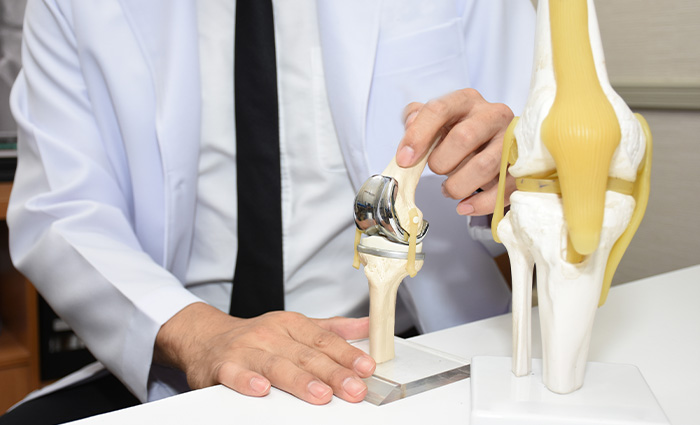
    Joint replacement surgery removes a damaged joint, and it is replaced with an artificial one. Doctors use this procedure for hips, knees, shoulders, and other joints when disease or injury limits daily function. As worn cartilage and bone change how a joint moves, pain and stiffness typically increase over time. Here is more information about the impact of joint replacement surgery:

    Replacing Non-functional Joints

    A surgeon replaces parts that no longer move as intended. When cartilage breaks down, bone rubs against bone, and the joint loses smooth motion. This wear may result from osteoarthritis, rheumatoid arthritis, trauma, or long-term overuse. The new joint parts create a new surface for movement, and they shift the load away from damaged areas.

    Artificial joint replacement parts are made of metal, plastic, or ceramic. They must match body structure closely, because fit affects alignment and motion. Standard replacement sites include:

    • Hip
    • Knee
    • Shoulder

    Surgeons review imaging, symptoms, and physical function before they plan the procedure. Some patients need a full replacement, and others need only one damaged section repaired. If a joint still works in part, a limited procedure may preserve more natural bone. That decision depends on the damage pattern, joint type, and overall health.

    Reducing Pain

    Pain drives many joint replacement decisions. Damaged tissue sends repeated pain signals, and inflamed structures often react to motion or weight-bearing. When joint surfaces no longer meet smoothly, pain may appear during walking, standing, or sleeping. Surgery removes the worn surfaces, and that changes the source of mechanical irritation.

    Restoring Mobility

    Mobility typically declines in stages; a person may walk shorter distances, and stairs may become slower and less stable. Because the joint no longer glides well, each step may require more effort. After surgery and rehabilitation, many patients move with a steadier pattern. Recovery includes structured physical therapy.

    Early goals may focus on:

    • Safe walking
    • Basic transfers
    • Controlled joint use

    As strength improves, patients work on daily tasks with less strain. If muscles weakened before surgery, therapy targets those deficits with repeated movement and balance work. Progress varies by age, health status, and the joint involved. The joint may move better, and the patient may return to routines with fewer mechanical limits.

    Increasing Range of Motion

    Range of motion describes how far a joint bends, straightens, rotates, or lifts. Stiff tissue limits those movements, and years of guarding may tighten nearby muscles. If the joint structure has changed from arthritis or injury, normal motion becomes harder to achieve. Joint replacement addresses part of that problem, and therapy addresses the rest.

    Improvement depends on both surgery and follow-through. A new joint may allow better movement, but weak muscles and scar tissue still affect performance. Because daily exercise shapes recovery, therapists often assign simple drills for home use. These may include bending practice, straightening work, and controlled stretching.

    Get Joint Replacement Surgery

    Joint replacement surgery changes how a damaged joint functions. It replaces worn surfaces, restores more normal mechanics, and supports movement when a joint no longer performs its job. Because each case involves different anatomy and health factors, a surgeon must evaluate the joint in detail. Contact an orthopedic provider to schedule an assessment and discuss whether joint replacement fits your condition.

    Share. Facebook Twitter Pinterest LinkedIn Telegram Reddit Email
    Previous ArticleQuestions To Ask Your Acupuncturist
    Next Article How to Build a Lasting Relationship with Your Optometrist
    newsflashburst.com
    • Website

    Related Posts

    Exploring the Treatments for Dementia

    May 1, 2026

    Why Nasal Allergies Can Occur Year-Round

    May 1, 2026

    Exploring the Link Between Fibromyalgia and Autoimmune Conditions

    May 1, 2026

    Promoting Vaccination Awareness in Your Community

    May 1, 2026

    The Impact of Family Medicine on Community Health

    May 1, 2026

    How to Recognize Dry Eye Symptoms Early

    May 1, 2026
    Add A Comment

    Leave A Reply Cancel Reply

    Demo
    Stay In Touch
    • Facebook
    • Twitter
    • Pinterest
    • Instagram
    • YouTube
    • Vimeo
    Don't Miss

    Effective Neck Pain Management Solutions for Seniors

    By newsflashburst.comMay 1, 2026

    Neck pain affects many older adults, and it may develop from arthritis, past injuries, or…

    Exploring the Treatments for Dementia

    May 1, 2026

    How to Build a Lasting Relationship with Your Optometrist

    May 1, 2026

    The Impact of Joint Replacement Surgery

    May 1, 2026

    Subscribe to Updates

    Get the latest creative news from SmartMag about art & design.

    About Us

    Your trusted source for timely news, trends, and global updates. This platform is designed to deliver clear, engaging, and easy-to-read content across news, business, technology, health, lifestyle, and entertainment—keeping you informed with what matters most.

    We’re currently open to partnerships, collaborations, and advertising opportunities.

    Email Us: admin@newsflashbursts.com

    Our Picks

    The Impact of Joint Replacement Surgery

    May 1, 2026

    Questions To Ask Your Acupuncturist

    May 1, 2026

    Why Nasal Allergies Can Occur Year-Round

    May 1, 2026
    Top Categories
    • Cardiology
    • Pain Management
    • Fitness & Wellness
    • Counseling
    • Health
    • Nutrition
    • Dentistry
    • Gynecology
    • Skin Care
    • Mental Health
    Facebook Twitter Instagram Pinterest
    © 2026 newsflashburst com

    Type above and press Enter to search. Press Esc to cancel.

    Powered by
    ►
    Necessary cookies enable essential site features like secure log-ins and consent preference adjustments. They do not store personal data.
    None
    ►
    Functional cookies support features like content sharing on social media, collecting feedback, and enabling third-party tools.
    None
    ►
    Analytical cookies track visitor interactions, providing insights on metrics like visitor count, bounce rate, and traffic sources.
    None
    ►
    Advertisement cookies deliver personalized ads based on your previous visits and analyze the effectiveness of ad campaigns.
    None
    ►
    Unclassified cookies are cookies that we are in the process of classifying, together with the providers of individual cookies.
    None
    Powered by