

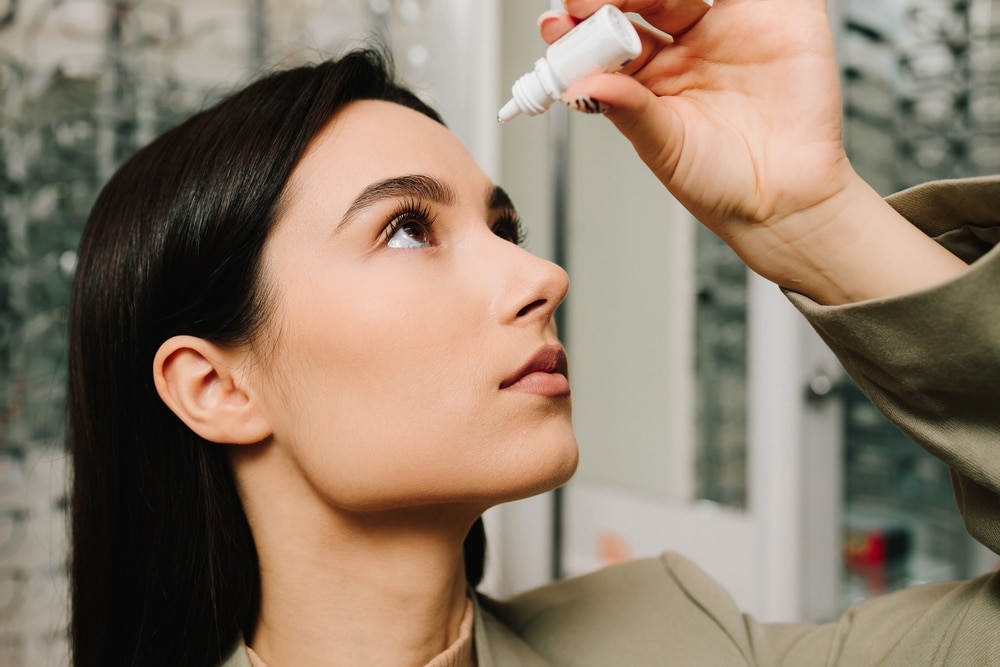

Dry eye disease occurs when the eyes fail to produce enough tears. This condition can lead to potential vision loss if left untreated, and it creates consistent discomfort. Because natural tears provide necessary lubrication for the surface of the eye, a lack of moisture leads to friction across the cornea. The resulting dryness causes noticeable changes to daily visual comfort.
Irritation or Burning
Dry eye symptoms often begin with generalized irritation. When the protective tear film evaporates too quickly from the surface, patients often report a burning sensation. The surface of the eye gradually becomes red from the constant irritation. Irritation may feel like sand or grit seems to sit under the eyelid, and blinking only exacerbates the scraping sensation.
Over-the-counter artificial tears can temporarily relieve the scratchiness, but inflammation can persist without medical intervention. Although individuals may ignore this early discomfort, friction can damage corneal tissue over time. Constant rubbing of the eyes can transfer bacteria to the irritated areas. Patients may rub their eyelids to stimulate tear production, but this action often only creates additional microabrasions.
Environmental factors can worsen this burning feeling. If a person spends uninterrupted hours staring at a computer screen, their natural blink rate often decreases without them realizing it. This diminished blinking rate exposes the cornea to dry room air, and the uncomfortable symptoms can intensify over a short timeframe. While indoor heating systems keep buildings warm, they evaporate tear films at an accelerated pace. Allergies can also increase irritation.
Excessive Watering
When the eye feels dry, the lacrimal glands overcompensate for the surface dryness, so they flood the irritated eye with reflex tears. Reflex tears lack the proper lubricating oils needed for sustained moisture. Because the required oily layer is missing, the excess water may pool in the eyes and spill out instead of coating the eye.
While watering eyes seem contradictory to a dry eye diagnosis, this phenomenon actually indicates tear film instability. The human body attempts to fix the localized irritation on its own, yet this watery response fails to restore long-term moisture. Reflex tears are often drained away too fast by the tear ducts. Even though the eyes appear wet, the corneal surface likely does not have sufficient oil for proper lubrication.
Age and Diseases
Natural tear production declines as individuals age. Basic glandular function slows down past the age of fifty, and hormonal changes further disrupt overall tear stability. As patients age, they may experience a decrease in eye lubrication. Senior citizens face a higher risk of developing this chronic condition.
Because various diseases affect overall bodily functions, common autoimmune conditions can target moisture-producing glands. Rheumatoid arthritis impacts total daily tear production. Advanced diabetes damages the nerves around the cornea, so patients fail to feel dryness immediately. Sjogren’s syndrome also halts the creation of natural moisture.
Standard daily medications for these diseases, along with over-the-counter antihistamines, may dry the body. Blood pressure pills reduce ocular fluid levels, and common antidepressants act in a comparable manner. Before an individual starts a new prescription, they should review the potential impact on their natural tear production. Medical histories should be evaluated by doctors during the diagnostic process.
Schedule a Dry Eye Evaluation
Early recognition of these specific physical symptoms leads to timely management. If you currently experience eye irritation or excessive watering, an eye care provider can measure your baseline tear production. Contact an eye clinic for a dry eye evaluation, and the provider can create an individualized plan to treat your eyes.
