

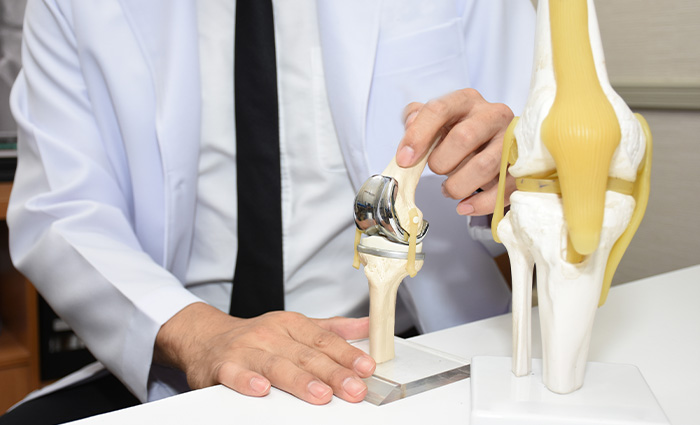

Joint replacement surgery removes a damaged joint, and it is replaced with an artificial one. Doctors use this procedure for hips, knees, shoulders, and other joints when disease or injury limits daily function. As worn cartilage and bone change how a joint moves, pain and stiffness typically increase over time. Here is more information about the impact of joint replacement surgery:
Replacing Non-functional Joints
A surgeon replaces parts that no longer move as intended. When cartilage breaks down, bone rubs against bone, and the joint loses smooth motion. This wear may result from osteoarthritis, rheumatoid arthritis, trauma, or long-term overuse. The new joint parts create a new surface for movement, and they shift the load away from damaged areas.
Artificial joint replacement parts are made of metal, plastic, or ceramic. They must match body structure closely, because fit affects alignment and motion. Standard replacement sites include:
- Hip
- Knee
- Shoulder
Surgeons review imaging, symptoms, and physical function before they plan the procedure. Some patients need a full replacement, and others need only one damaged section repaired. If a joint still works in part, a limited procedure may preserve more natural bone. That decision depends on the damage pattern, joint type, and overall health.
Reducing Pain
Pain drives many joint replacement decisions. Damaged tissue sends repeated pain signals, and inflamed structures often react to motion or weight-bearing. When joint surfaces no longer meet smoothly, pain may appear during walking, standing, or sleeping. Surgery removes the worn surfaces, and that changes the source of mechanical irritation.
Restoring Mobility
Mobility typically declines in stages; a person may walk shorter distances, and stairs may become slower and less stable. Because the joint no longer glides well, each step may require more effort. After surgery and rehabilitation, many patients move with a steadier pattern. Recovery includes structured physical therapy.
Early goals may focus on:
- Safe walking
- Basic transfers
- Controlled joint use
As strength improves, patients work on daily tasks with less strain. If muscles weakened before surgery, therapy targets those deficits with repeated movement and balance work. Progress varies by age, health status, and the joint involved. The joint may move better, and the patient may return to routines with fewer mechanical limits.
Increasing Range of Motion
Range of motion describes how far a joint bends, straightens, rotates, or lifts. Stiff tissue limits those movements, and years of guarding may tighten nearby muscles. If the joint structure has changed from arthritis or injury, normal motion becomes harder to achieve. Joint replacement addresses part of that problem, and therapy addresses the rest.
Improvement depends on both surgery and follow-through. A new joint may allow better movement, but weak muscles and scar tissue still affect performance. Because daily exercise shapes recovery, therapists often assign simple drills for home use. These may include bending practice, straightening work, and controlled stretching.
Get Joint Replacement Surgery
Joint replacement surgery changes how a damaged joint functions. It replaces worn surfaces, restores more normal mechanics, and supports movement when a joint no longer performs its job. Because each case involves different anatomy and health factors, a surgeon must evaluate the joint in detail. Contact an orthopedic provider to schedule an assessment and discuss whether joint replacement fits your condition.
