

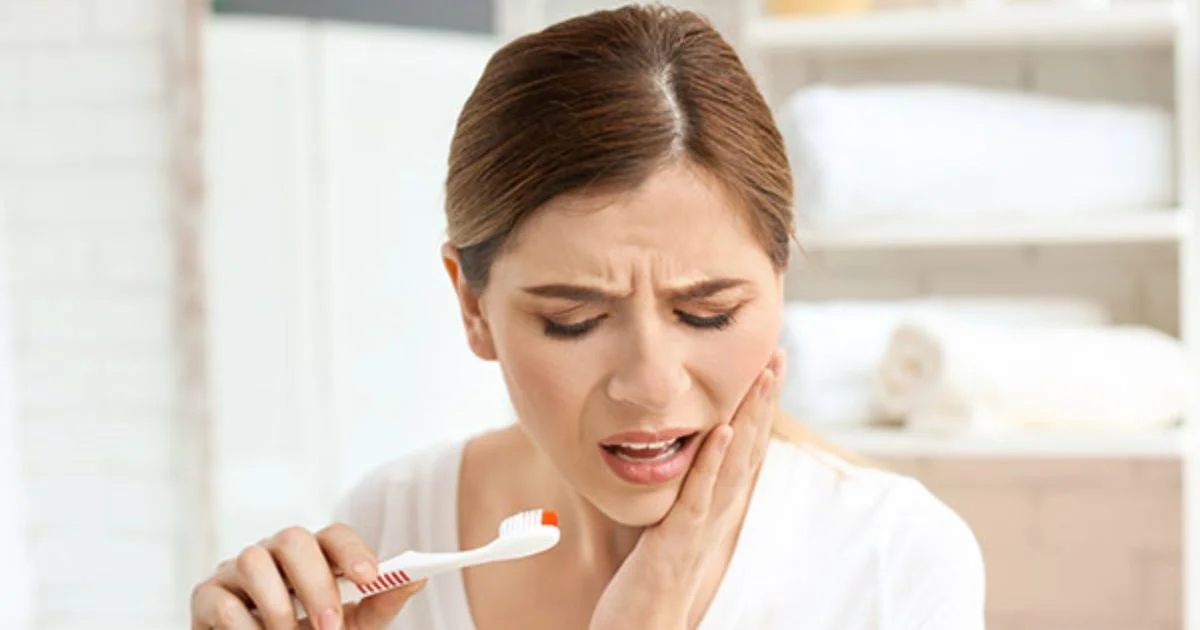

Enamel is not something that your body can regenerate, unfortunately. Therefore, it is important to take good care of it. Here are five things that you may be unintentionally doing that could be damaging your enamel.
Brushing too hard, with the wrong brush
It’s natural to think that the harder you brush, the cleaner your teeth will be. But tooth enamel is highly sensitive to pressure, especially close to the gum line where it’s thinnest. Using a toothbrush with stiff bristles can cause permanent grooves in the enamel and also expose root surfaces. Dentists recommend brushing softly in light, circular motions to avoid damaging your teeth and gums.
Ignoring teeth grinding and bite problems
Bruxism is the official name for grinding your teeth, often during sleep. Most who do it are unaware until their dentist notices the telltale wear patterns. The physical force is far beyond normal chewing and literally scrapes enamel away, night after night, from the flatter surfaces.
Misaligned teeth pose a similar issue. When teeth don’t come correctly together, one or two teeth will be the first to hit when closing the jaw. That puts the most pressure on them during every bite or chew movement, so they wear excessively. You may even notice that your tooth looks chipped or even cracked.
In many cases, correcting the bite is the only solution to prevent the issue from continuing to happen. People who use dental braces for teeth as part of their treatment may be able to stop themselves from progressively damaging their enamel. Braces don’t just serve an aesthetic purpose – they’re preventing you from wearing down your enamel unevenly. A night guard recommended for bruxism sufferers can mitigate the damage somewhat, but if misalignment is driving your grinding, the problem will persist.
Brushing immediately after acidic food or drink
This is a common misconception because it seems like a good practice, right? Orange juice or a fizzy water with lime, and you brush those pearly whites to get your mouth clean. The issue here is timing.
Acid actually makes enamel temporarily softer by causing minerals to leach out of its surface – a process known as demineralization. If you brush your teeth within 30 minutes to an hour of consuming something acidic, you’re essentially brushing your teeth enamel when it’s softened and physically removing a layer of enamel that would naturally re-harden on its own. Saliva is responsible for this. Give it time, and it neutralizes acid and causes processes of re-hardening. Rush it with a toothbrush, and you’re working against this process. Give it a minute. Or an hour. Or so. Flushing with water is fine if you’re impatient.
Over-relying on abrasive whitening products
We all love a bright white smile but unfortunately, whitening toothpastes and charcoal-based products can actually do more harm than good. Enamel is the outermost layer that protects your teeth, it’s also responsible for the white color. Despite the fact that these products damage it, in the hope of whitening its appearance. Enamel is actually translucent. The more it thins, the more the yellowish dentin below it starts to show.
That RDA scale – the one that measures how abrasive a toothpaste is – anything over 150 is considered to have the potential to damage enamel with long-term use. The majority of charcoal toothpaste is well over the 150 mark. The American Dental Association states that tooth enamel is the most solid substance in the human body. The issue, however, is that once it’s gone – it’s gone.
Treating flossing as optional
People tend to underestimate the function of flossing for oral health. It’s not surprising that people wonder if it has real benefits. After all, it might seem easy to skip something that only 30% of Americans do each day, right? But remember what flossing does: it removes plaque and food particles where your toothbrush can’t reach. Floss can get into the tight spaces between teeth and under the bridge, scraping away tiny particles of gunk that would love nothing more than to feed acid-producing bacteria. Without food sources, bacteria have a harder time multiplying and sending acids into your teeth. So, are you going to pick up flossing and give it the attention and priority it deserves?
The common thread
Every mistake on this list involves either applying the wrong kind of force or giving acid more time and opportunity than it needs. Enamel is durable, but it’s not renewable – and the habits that erode it don’t cause pain until the damage is well established. The gap between “fine” and “irreversible” is narrower than most people realize, which is why the mechanics matter more than the general advice to “brush and floss.”
