

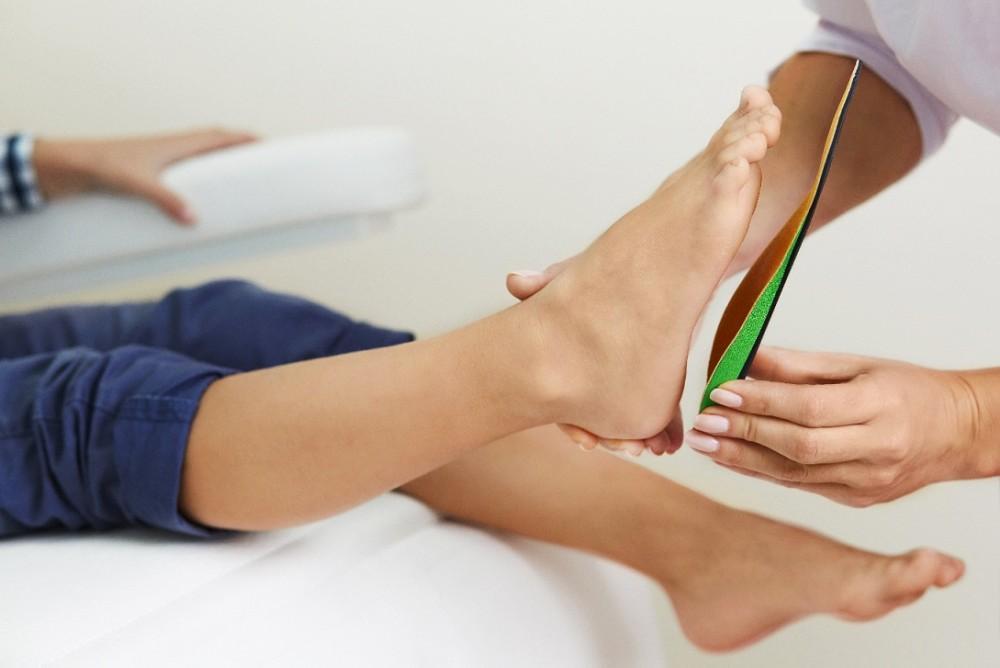

Custom orthotics are prescription shoe inserts made to match the shape of a person’s feet, supporting the way they walk or stand. Prescription orthotics differ from over-the-counter inserts, as they support an individual’s foot structure, pressure points, and movement patterns. For some people, custom orthotics are a practical option when standard footwear does not provide enough stability or cushioning. Here’s more information on orthotics and who should get them:
People With Sports Injuries
Athletes and active adults often place repeated stress on their feet, ankles, and lower legs. Jumping and making quick changes in direction can increase pressure on the foot and alter movement mechanics over time. Custom orthotics help address uneven pressure distribution, improve foot positioning, and provide added support during activity. This can be useful for people recovering from overuse problems or trying to reduce stress on vulnerable areas during training. A runner with recurring foot fatigue will benefit from better arch support, while a basketball player may need more supportive control during side-to-side movement.
Orthotics do not replace conditioning, rest, or proper footwear, but they can be part of a broader plan to support movement. They also help athletes whose foot shape affects performance or comfort. High arches often concentrate pressure on a smaller area, and flat feet can allow too much inward rolling. In these cases, custom orthotics create a more stable base inside the shoe. That added support may make activity more comfortable and help athletes maintain more consistent form.
People With Ankle Instability Issues
People with weak or unstable ankles may also be good candidates for orthotics. Ankle instability can develop after repeated sprains, poor foot mechanics, or long-term weakness in the supporting structures around the joint. When the foot does not stay in a steady position, the ankle may be more likely to roll or feel unsupported during walking or exercise.
Custom orthotics help by improving foot alignment and reducing excess motion inside the shoe. They support the foot, and they create a steadier foundation for the ankle. For someone whose foot rolls inward too much, an orthotic helps limit that motion and improve balance during daily activity. This type of support can matter during both sports and routine movement.
Walking on uneven ground, climbing stairs, or standing for long periods may feel less stable when the ankle lacks control. Orthotics are not a cure for instability, but they may help support the foot and ankle in a way that improves comfort. In many cases, they are used along with supportive shoes and a guided exercise program.
People With Chronic Conditions
Custom orthotics are also commonly recommended for people with chronic foot conditions that affect balance or pressure distribution. These conditions may include
- Morton’s Neuroma
- Flat Feet
- Arthritis
- Plantar Fasciitis
Each condition affects the foot differently, so support needs can vary from person to person. Morton’s neuroma can cause irritation in the forefoot, so an orthotic may be designed to shift pressure away from painful spots. For people with flat feet, they help provide the structure that standard insoles do not offer.
For people with arthritis, orthotics help to reduce pressure on sensitive joints and improve overall foot support. Plantar fasciitis often involves strain along the bottom of the foot, and orthotics help by supporting the arch and reducing stress in that area. Custom devices are individualized, but they are most useful when they address a clear mechanical issue. A person with long-standing foot pain may need more than a generic insert, and a custom orthotic offers a more precise fit. This tailored approach can make a difference when symptoms are linked to foot shape, gait pattern, or pressure concentration.
Get Custom Orthotics Today
Custom orthotics may be beneficial for people with sports injuries, ankle instability, or chronic foot conditions that affect support. They aim to match the needs of the individual, and they can offer a level of control that standard inserts do not provide. If you’re experiencing a foot or ankle issue, contact a podiatry clinic for a professional evaluation of your condition.
