

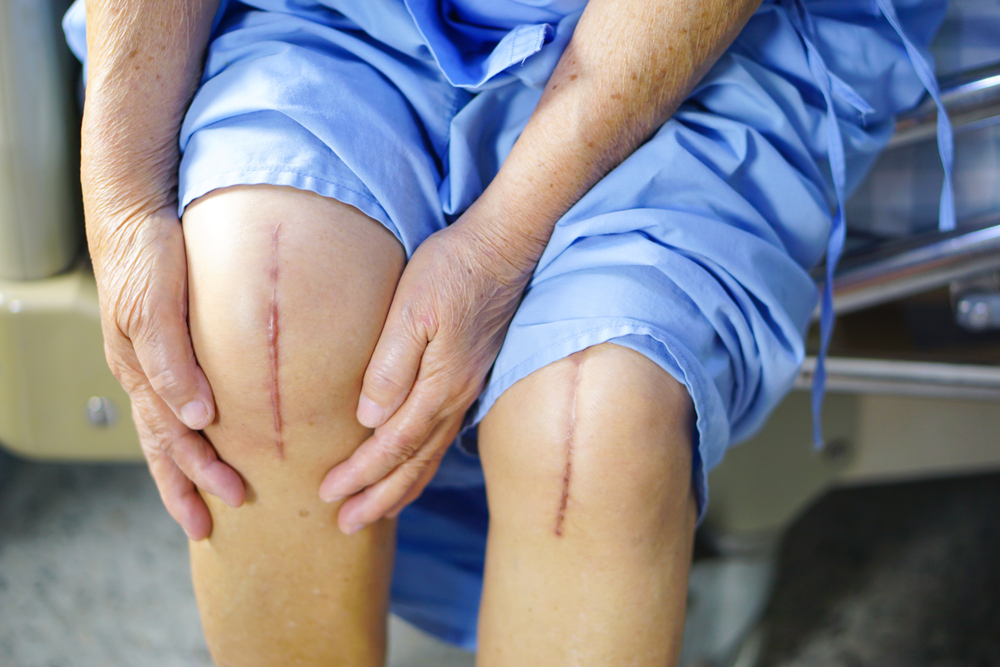

Post-surgical pain is a predictable part of the healing process; managing it effectively requires a structured approach that combines medical treatment, physical care, and lifestyle adjustments. By understanding your options, you can work more productively with your care team. Here is more information on pain management techniques after surgery:
Prescribed Medications
Your surgeon or pain specialist will typically recommend a tiered medication plan. Nonsteroidal anti-inflammatory drugs (NSAIDs) are used to reduce inflammation, and opioids may be prescribed for short-term acute pain. As every patient’s pain threshold differs, dosing schedules are adjusted on an individual basis.
Post-surgical medications include:
- NSAIDs (ibuprofen, naproxen)
- Short-term opioids (oxycodone, hydrocodone)
- Nerve blockers or muscle relaxants
Physical Therapy
A licensed physical therapist designs a rehabilitation program matched to your specific pain management plan. Guided movement aims to reduce stiffness, and controlled exercise supports tissue repair over time. Physical therapy also teaches you techniques to move safely during daily activities.
Therapy typically begins with gentle range-of-motion exercises before progressing to strength work. Each session builds on the last, and your therapist monitors pain responses throughout. Since progress is incremental, skipping sessions tends to delay recovery significantly.
Therapists may also use tools like resistance bands or weights to gradually increase the intensity of your exercises. Consistency in attending sessions is key. While recovery can start slow at times, sticking to your therapy plan promotes long-term benefits and reduces the risk of reinjury.
Adjusted Lifestyle
Sleep, nutrition, and activity levels all affect how your body manages post-surgical pain. Getting adequate hours of sleep supports tissue repair, and poor rest commonly intensifies pain perception. Since inflammation responds directly to diet, certain foods may either support or hinder your recovery.
Dietary adjustments that support recovery include:
- Increasing protein intake to support wound healing
- Reducing processed sugars that promote inflammation
- Staying well-hydrated throughout the day
Alcohol and tobacco interfere with healing and can amplify pain signals. Smoking reduces oxygen delivery to tissues, and alcohol may interact negatively with pain medications. Limiting both substances during your recovery period is a straightforward step backed by clinical data.
Movement within prescribed limits helps manage pain more effectively than extended bed rest. Light walking, where approved by your physician, improves circulation and reduces swelling. As prolonged inactivity stiffens joints and muscles, your care team will specify an activity timeline for you.
Platelet-rich Plasma Therapy
Platelet-rich plasma (PRP) therapy uses a concentrated sample of your own blood to support tissue repair. Blood is drawn, processed in a centrifuge, and the resulting plasma is injected at the treatment site. PRP contains growth factors that interact with surrounding tissue at a cellular level.
PRP is used in orthopedic and soft-tissue recovery contexts, and it is administered as part of a broader pain management plan. Because results vary by patient and procedure type, your specialist will evaluate whether PRP fits your specific recovery profile. It is not a standalone treatment, and it works alongside other therapies already in place.
Visit a Pain Management Specialist
Post-surgical pain management draws from several disciplines, and no single technique works for every patient. A pain management specialist evaluates your full clinical picture and coordinates a plan built around your procedure, health history, and pain patterns. If you are recovering from surgery and your current pain management approach is not providing adequate relief, schedule a consultation with a pain management specialist today.
