

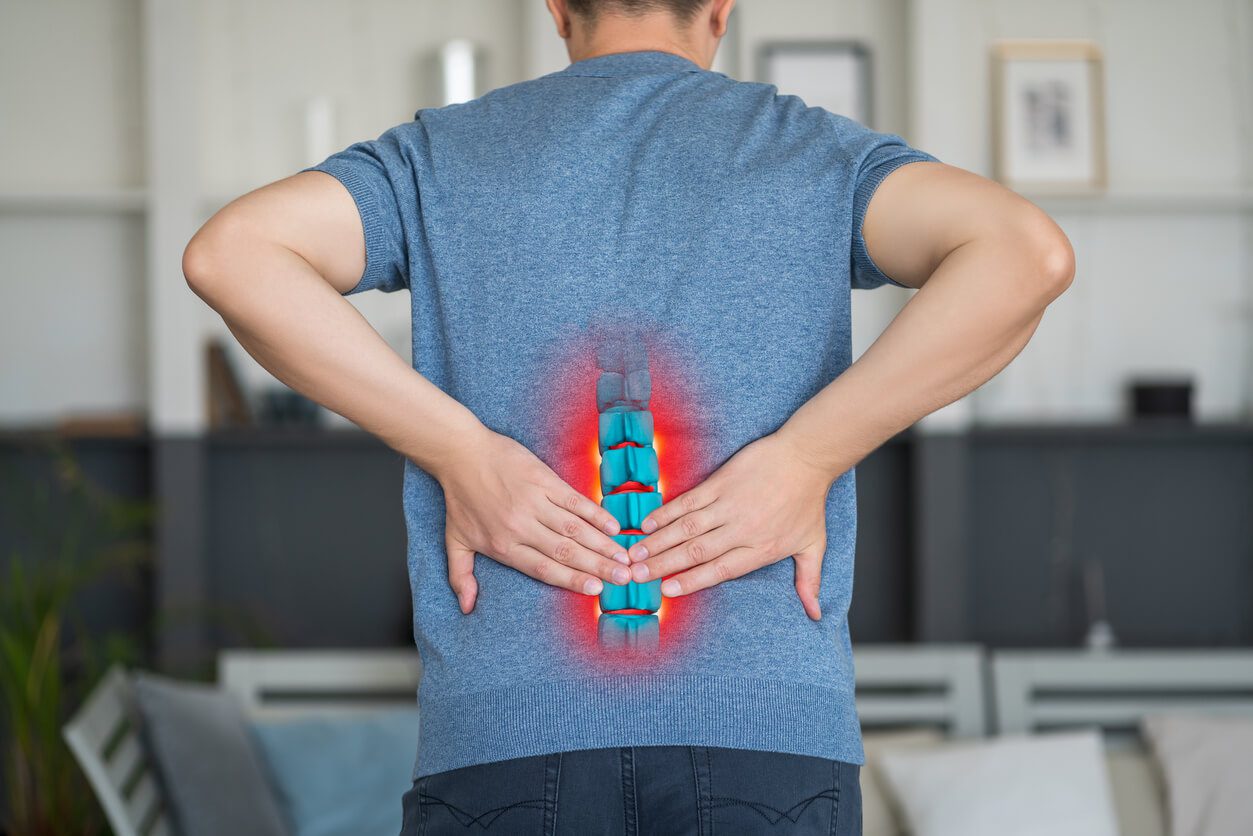

Lower back pain is a condition that affects individuals across various demographics and can range from a dull, persistent ache to sharp, sudden sensations that limit mobility. Addressing this condition promptly may prevent temporary discomfort from developing into a chronic issue. By understanding the effects and causes of back pain, individuals can make informed decisions regarding their physical health and functional mobility.
What Is Lower Back Pain?
Lower back pain occurs in the lumbar region of the spine and may originate from diverse injuries or underlying structural conditions. Many structural or mechanical issues lead to this condition, including muscle strain, herniated spinal discs, arthritis, and fractures. Other potential sources involve degenerative disc disease and spinal curvatures such as scoliosis. Certain systemic diseases, including cancer, can also manifest as pain in the lumbar region. Lifestyle factors and daily habits may also contribute to lumbar discomfort. Prolonged periods of sitting while working or driving can stress on the lumbar spine. Poor posture, improper lifting techniques, and awkward physical movements may result in sudden or gradual onset of pain.
What Are the Effects?
Not every instance of back discomfort necessitates a medical intervention. Many occurrences resolve independently through rest and basic home modifications, but certain accompanying symptoms indicate a need for professional medical evaluation. If the pain persists despite a period of rest, a professional assessment is highly recommended.
Specific symptoms require immediate medical review. An evaluation is warranted if the pain is accompanied by localized weakness in the lower extremities, or if individuals experience leg numbness or radiating leg pain. The sudden onset of urinary or fecal incontinence presents another severe symptom, requiring prompt professional diagnosis. Physical signs such as visible inflammation in the lumbar region also indicate the need for a medical appointment. Any onset of severe pain immediately following a physical trauma, such as a fall or a vehicular accident, should be evaluated by a physician.
How Is It Treated?
Medical professionals typically develop a customized plan to address the specific cause of the discomfort. These management strategies often begin with conservative methods, and progress to more advanced medical interventions if necessary. A wide range of strategies can be utilized to manage back pain, including:
- Lifestyle Adjustments: This includes maintaining a healthy body weight and engaging in exercises designed to strengthen the supporting back muscles.
- Medication Management: Over-the-counter pain relievers and topical ointments are common first-line options, and physicians might prescribe muscle relaxants or other advanced medications to block pain signals or relieve severe muscle tension.
- Physical Therapy: Physical therapy is frequently utilized to strengthen the body and enhance overall mobility.
When conservative approaches do not yield sufficient relief, physicians may suggest interventional therapies. These procedures can include epidural steroid injections, nerve blocks, and radiofrequency ablation. In more complex cases, physicians might utilize spinal cord stimulation or orther systems to manage the condition.
Seek Pain Management Services
Chronic discomfort in the lumbar region can interfere with daily functions, decreasing a person’s overall quality of life. Accessing specialized medical care provides patients with accurate diagnoses and structured recovery pathways. Patients dealing with persistent pain that impedes their ability to work, sleep, or move freely should schedule a consultation with a pain management clinic. Expert medical guidance provides guidance toward restoring physical function, helping to minimize persistent pain and regain an active lifestyle.
