

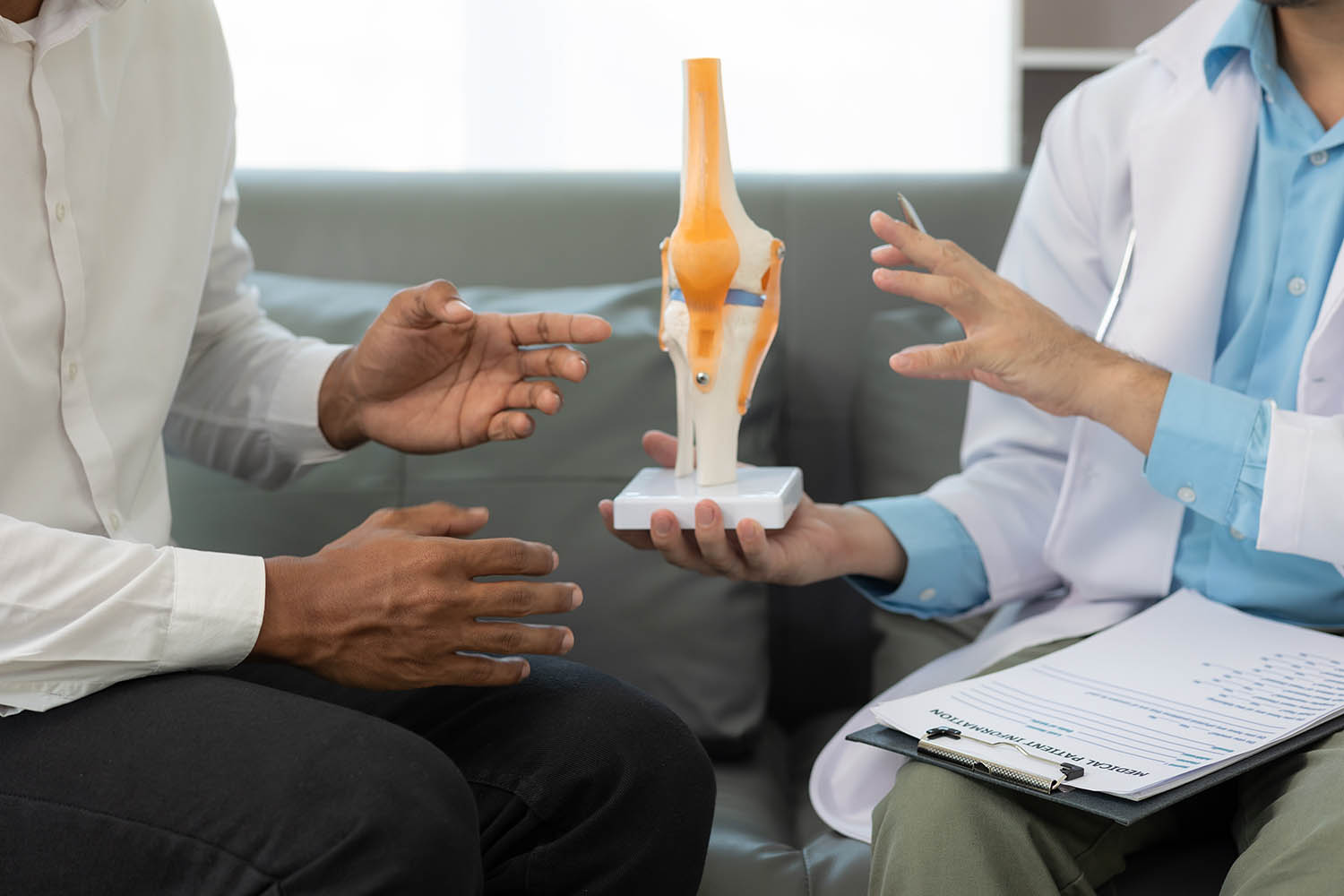

Pain management is not a one-size-fits-all process. Each person experiences pain differently, and the causes, intensity, and duration vary from one individual to the next. A personalized pain management plan accounts for those differences by combining medical treatments, lifestyle adjustments, and care strategies tailored to a specific patient. When a plan is built around the patient’s unique situation, it becomes a more practical tool for day-to-day life.
Acute Pain Treatment
Acute pain typically follows an injury, surgery, or short-term illness. It has a clear cause, and it often resolves as the body heals. Because the timeline is usually predictable, pain management treatment options can be matched closely to the expected recovery period. Physicians often use a combination of medication and rest to manage it.
Nonsteroidal anti-inflammatory drugs are commonly used for mild to moderate acute pain, while stronger medications may be prescribed after major procedures. The dosage and duration are kept as short as appropriate, and the patient’s response is monitored. Follow-up appointments allow the care team to adjust the plan if pain persists.
Chronic Pain Treatment
Chronic pain is categorized when it lasts three months or longer, and it often requires a more layered approach than acute pain does. Medications, physical therapy, and behavioral health support may all be part of treatment. Because chronic pain affects daily function, the plan needs to address the physical component and how pain influences sleep, movement, and mood.
Chronic pain management frequently involves a multidisciplinary team to provide comprehensive care. Specialists such as pain management physicians create a personalized treatment plan tailored to the individual’s needs. Regular evaluations make it so the plan evolves as necessary, with adjustments made to address changes in symptoms or functionality. Education about pain management strategies empowers patients to regain control over their daily lives and improve their quality of life.
At-Home Treatments
At-home treatments give patients a role in managing their pain between clinical appointments. Heat and cold therapy are helpful options that many patients use to reduce discomfort. Gentle movement, such as walking or stretching, can help maintain joint flexibility, and some patients find that relaxation techniques like deep breathing reduce their pain perception.
Nutrition and sleep also play a role in how the body processes pain. Diets high in processed foods may increase inflammatory markers, while diets rich in whole foods support general health. Sleep disruption and chronic pain often feed into each other, so addressing sleep quality is a step that care providers often include.
Mindfulness-based practices can lower pain intensity scores in some individuals. Patients are encouraged to discuss at-home methods with their care team before adding them to their routine. Communication with the doctor keeps the plan coordinated and reduces the risk of conflicting approaches.
Create a Pain Management Plan
A personalized plan starts with an evaluation of a patient’s health history, including recent injuries. Pain specialists are able to find ways to reduce pain through individual plans, and these plans change according to the patient’s response to the treatment. If you experience regular pain, contact a specialist to build a plan that’s right for you.
