


Migraines are common, and they often cause debilitating pain that disrupts daily activities. Medical professionals offer multiple treatments to manage these severe headaches. Preventive therapies aim to reduce the frequency of attacks, helping patients experience fewer disruptive days. Here is more information on migraines, their symptoms, and what Botox for migraines involves:
What Are Migraines?
Migraines are a complex neurological condition characterized by recurring episodes of moderate to severe head pain. Chronic migraines are classified as having headache days occurring fifteen or more times a month, and this high frequency often disrupts daily functioning. Providers may recommend Botox for migraines as a preventive measure to stop the ongoing headache cycle.
The condition differs from episodic tension headaches due to distinct hyperactive neurological responses. Doctors may track the frequency of headache days, as this data forms the basis of the diagnosis. An accurate diagnosis guides the clinical treatment plan by dictating whether a patient qualifies for advanced preventive therapies.
What Are the Symptoms?
Migraine episodes produce distinct neurological and physical signs that vary among patients. A typical attack features a throbbing sensation on one side of the head, and patients may experience heightened sensitivity to light and sound. These sensory disruptions can last for several hours or days while forcing individuals to remain completely stationary.
Some individuals experience a neurological phenomenon known as an aura. Visual auras involve seeing flashes of light or zigzag patterns, and sensory auras can cause tingling in the face or extremities. These indicators provide patients with time to administer acute medications before the severe pain begins.
The postdrome phase occurs after the primary headache resolves. Patients may notice mild cognitive difficulties during this period, and mood changes frequently accompany the physical exhaustion. The entire neurological event may span multiple days from the initial warning signs to the final recovery phase.
What Is Botox for Migraines?
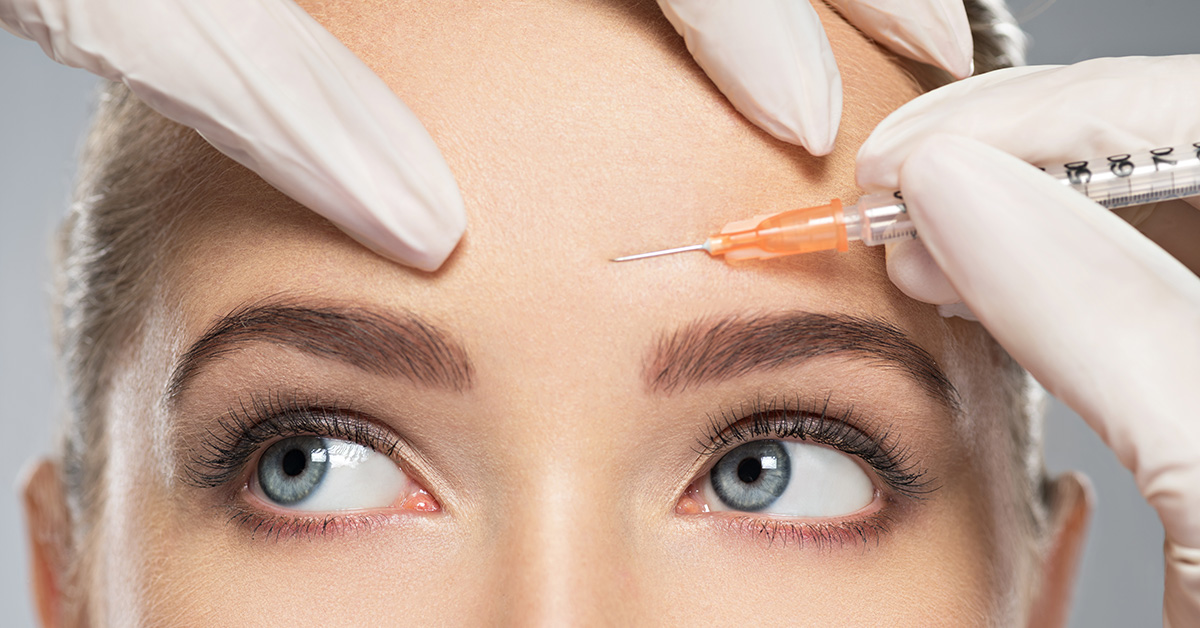
Botox is derived from a neurotoxin that temporarily paralyzes specific muscle groups, thereby altering pain pathways in the central nervous system. Healthcare providers administer this treatment through a series of localized injections. A physician uses a very fine needle for the procedure, and the injection process is completed in a few minutes.
How Does It Work?
The therapeutic effect of Botox relies on its interaction with nerve endings. The injected neurotoxin enters the nerve terminals, and it prevents activation of pain networks in the brain. This biological blockade remains active for about 3 months before the nerve endings slowly regenerate their signaling capacity.
What Are the Benefits?
A measurable reduction in monthly headache days is a primary clinical benefit. Patients may experience shorter attack durations, potentially reducing reliance on acute pain medications. Standard migraine treatments may involve daily oral pills, but Botox requires a clinic visit just once every three months.
The targeted nature of the injections keeps the medication localized at the administration sites. This clinical approach prevents the medication from circulating throughout the body, and this helps patients avoid cognitive disruptions. The sustained relief supports better daily functioning to allow individuals to participate more consistently in their standard activities.
Find Relief Today
Botox offers a way to prevent chronic migraines. The treatment requires administration every 12 weeks, and patients undergo an evaluation by a qualified medical provider to determine eligibility. Speak with a specialist to discuss this medical intervention and to review your specific migraine history.
