

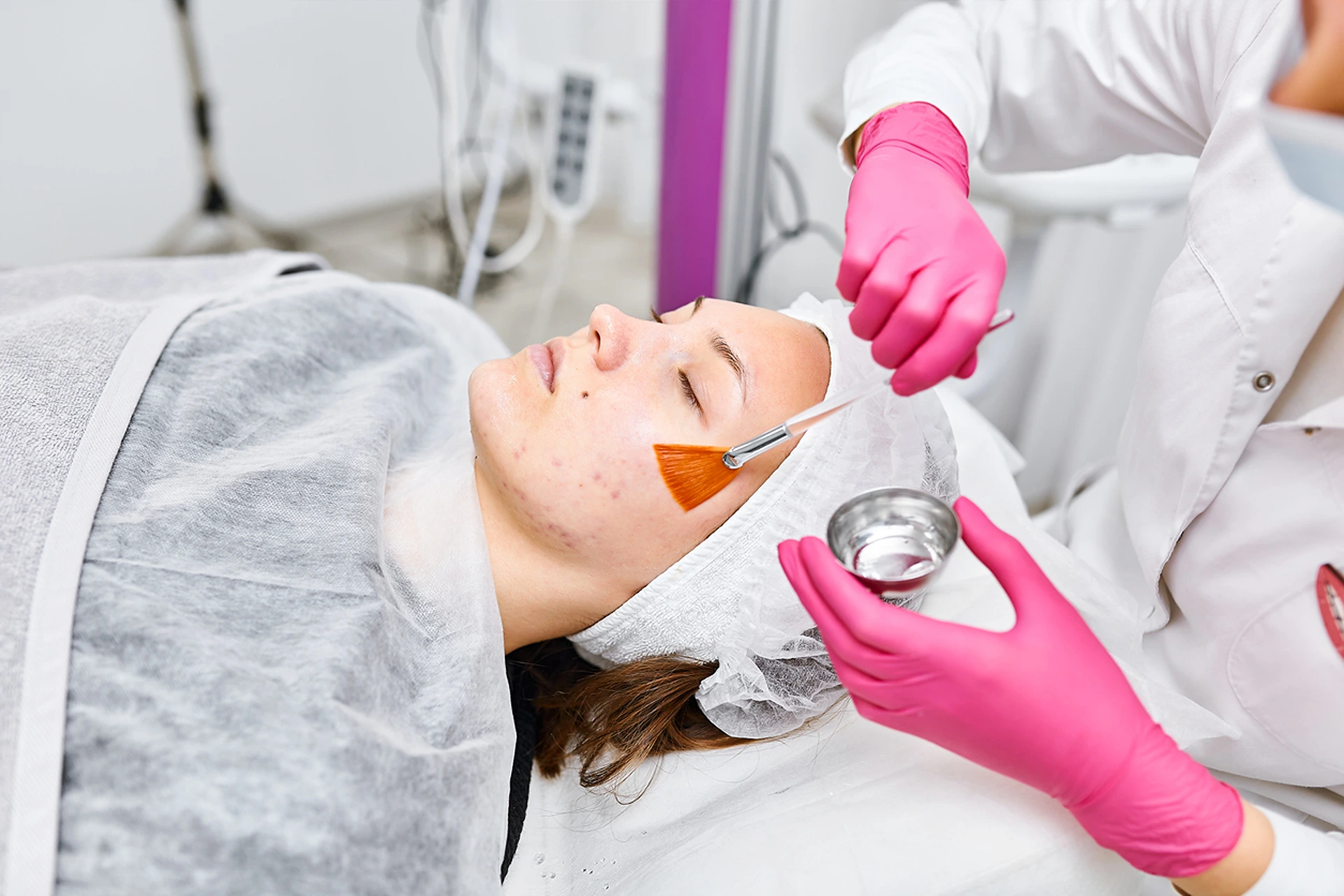

A skin doctor, or dermatologist, specializes in evaluating and managing conditions of the skin, hair, and nails. Their role in skincare involves recommending specific topical products and performing targeted procedures to maintain or enhance skin health. By understanding the complex anatomy of the skin, these professionals provide informed recommendations tailored to individual cosmetic goals. A common procedure they perform is the professional chemical peel. Here’s information on chemical peels and their benefits:
What Chemical Peels Address
Chemical peels involve applying a specialized solution to the skin to encourage the removal of dead skin cells. This controlled exfoliation process gradually reveals the newer skin underneath. A skin doctor uses these applications to address a variety of common cosmetic concerns that individuals develop over time, such as fine lines around the mouth and under the eyes. They also target skin concerns like:
- Uneven Skin Pigmentation
- Visible Sun Damage
- Age Spots
Some individuals use chemical peels to manage frequent acne breakouts or to improve the appearance of mild surface scarring. The overall depth of a chemical peel depends on the aesthetic issues being targeted. Light peels provide gentle exfoliation, and deeper peels target more prominent textural changes. By removing the outermost layers, the skin often appears smoother and more uniform in color.
How Peels Are Personalized
A skin doctor evaluates your baseline skin type, reviews your desired cosmetic goals, and thoroughly assesses your medical history before selecting a peel. They adjust the concentration and type of the chemical solution based on your skin health and goals. They may use alpha-hydroxy acids, like glycolic acid, for mild exfoliation, or they might select trichloroacetic acid for a more intensive approach. The time the solution is left active on the skin also varies from person to person. Practitioners monitor the skin closely during application, adjusting timing as needed. They advise which skincare products to avoid before the procedure and recommend specific moisturizers to support the skin during recovery.
Who Isn’t a Candidate
While chemical peels offer various cosmetic benefits, they are not suitable for everyone. Individuals with active skin infections, severe sunburns, or open facial wounds must avoid this procedure until their skin has recovered. People who have taken certain oral acne medications within the past six months are typically advised against getting chemical peels due to increased skin sensitivity.
Pregnant or nursing individuals should also consult a professional, as certain chemical solutions are not recommended during these periods. Those with a history of abnormal skin scarring, frequent cold sores, or severe hyperpigmentation need a thorough professional evaluation. Skin doctors carefully screen candidates, and they may suggest alternative cosmetic options if a chemical peel poses potential risks.
Visit a Skin Doctor
Achieving your cosmetic goals requires professional guidance and proper evaluation, so schedule a consultation with a dermatologist today. During a consultation, you can discuss your specific concerns, outline your desired results, and learn more about the available treatments. Schedule an appointment with a qualified skin professional to determine if a chemical peel aligns with your cosmetic needs.
