

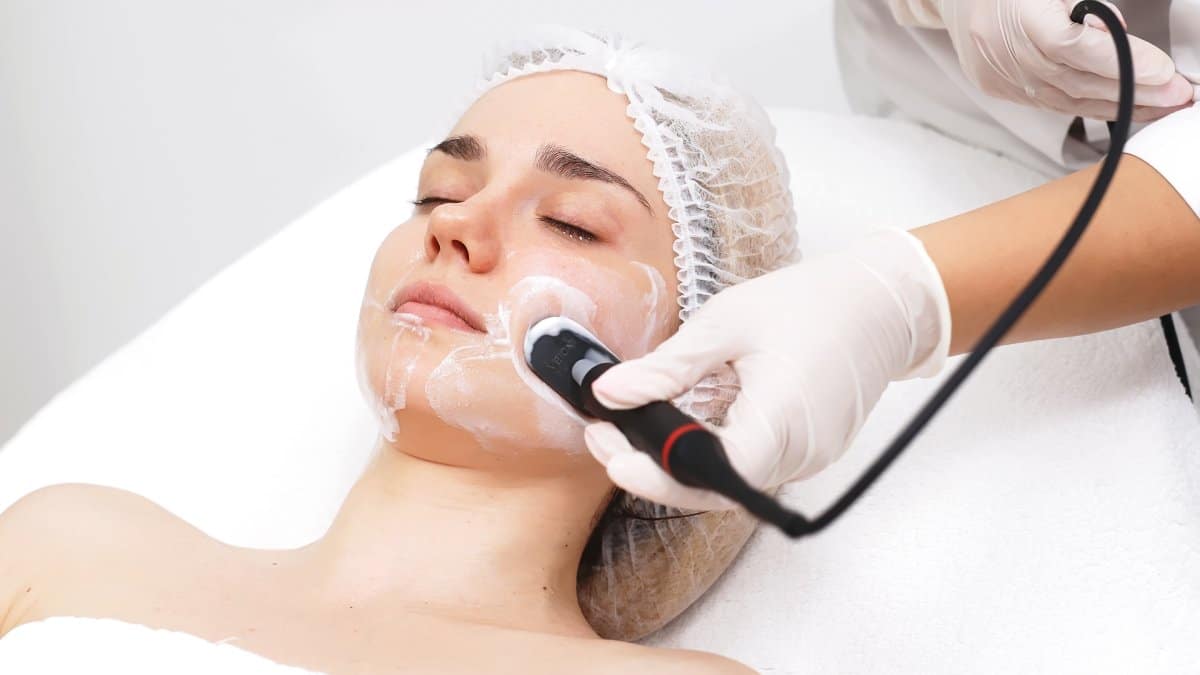

Facials are professional skin treatments that cleanse, exfoliate, and nourish the skin to improve its health and appearance. The process involves various types, such as microcurrent and detox facials, each utilizing specific clinical techniques. Skincare professionals utilize these targeted therapies to address specific skin concerns, and learning more about these treatments helps patients make informed decisions about their skincare. Here is more information on facials, the different types, the techniques used, what the process involves, and the benefits:
What Are Facials?
A facial is a multi-step skin treatment performed by a licensed esthetician. The procedure cleanses, exfoliates, and nourishes the skin, and this process promotes a clear, well-hydrated complexion. When patients undergo facials regularly, they may experience sustained improvements in overall skin texture.
What Are the Different Types?
Providers offer several distinct categories of facials to address specific patient needs. Options include:
- European facial focuses on basic exfoliation and extraction.
- Detox facial targets impurities and environmental pollutants.
- Microcurrent facial uses low-voltage electrical waves to stimulate facial muscles.
- Harmony facial restores balance to sensitive skin.
By selecting the appropriate category, professionals can address underlying conditions.
What Techniques Are Used?
Estheticians employ mechanical and chemical exfoliation to remove dead skin cells, which promotes cellular renewal. Extractions involve manually clearing clogged pores. Massage techniques stimulate blood circulation and lymphatic drainage. Light therapy may be integrated into the session, and this therapy targets acne-causing bacteria or stimulates collagen production.
Chemical peels utilize varying concentrations of acids to dissolve the bonds between dead skin cells. Microdermabrasion is a mechanical technique that uses a mildly abrasive instrument to gently sand the skin surface. Practitioners may combine these modalities, and this helps them achieve results tailored to the individual’s dermatological profile.
What Does the Process Involve?
The standard facial process follows a clinical sequence, and the practitioner begins with a thorough consultation. They subsequently perform a cleanse to remove surface debris. After this initial preparation is complete, the provider may conduct a detailed skin analysis under a magnifying lamp.
Exfoliation and extraction constitute the next phases of the protocol. The esthetician applies steam to soften the pores, and they extract impacted sebum from the follicles. Once the pores are clear, a customized mask is applied to deliver concentrated active ingredients. These treatments require no significant recovery time.
What Are the Benefits?
Professional facial treatments offer numerous dermatological advantages. Patients may observe a reduction in acne lesions, and they experience a more even skin tone. Since the therapies stimulate blood circulation, the skin receives an increased supply of oxygen and nutrients.
Long-term cellular health may improve with regular therapeutic intervention, and treatments promote the generation of new collagen fibers. The skin maintains its elasticity and firmness. When individuals adhere to a scheduled treatment plan, they can delay structural degradation over time.
Schedule a Facial Now
Addressing skin concerns requires a methodological approach, which a professional can provide. Skincare experts will evaluate your skin, and they can design a targeted treatment regimen. Contact a licensed clinic today to learn more about improving your skincare.
