

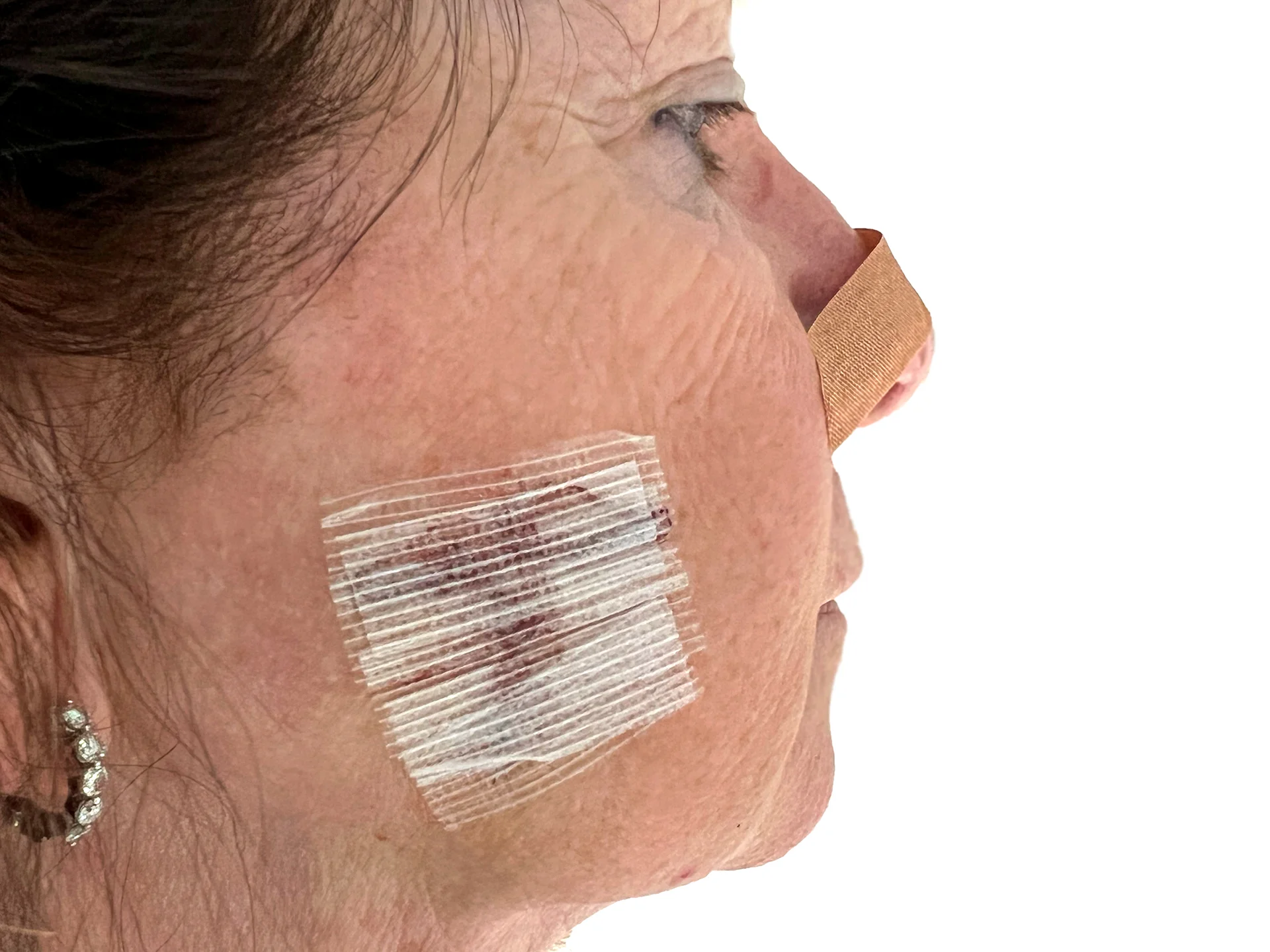

Mohs surgery is a specialized technique used to treat certain types of skin cancer with a strong focus on precision and tissue preservation. This approach involves removing and examining thin layers of skin one stage at a time until no cancer cells remain. Here is a closer look at how Mohs micrographic surgery differs from traditional skin cancer treatments:
Understanding Mohs Micrographic Surgery
Mohs surgery is a precise and methodical procedure used to remove skin cancers while preserving as much healthy tissue as possible. Here are the key steps involved in this technique:
- Preparation of the Area: The surgical site is thoroughly cleaned, and a local anesthetic is administered to numb the area.
- Removal of the First Layer: The surgeon removes a thin layer of visible cancerous tissue, providing minimal damage to surrounding healthy skin.
- Microscopic Examination: The excised tissue is mapped, processed, and analyzed under a microscope to identify any remaining cancer cells.
- More Layers as Needed: If cancer cells are detected, more layers are removed and examined until the entire area is cancer-free.
- Wound Repair: Once the cancer has been completely removed, the wound is either left to heal naturally or closed with sutures, depending on its size and location.
This systematic process provides high efficacy in cancer removal while minimizing tissue loss.
Exploring Traditional Treatments
Traditional skin cancer treatments generally involve a standard medical process known as surgical excision. The doctor removes the visible tumor, and they also cut away a predetermined margin of healthy skin surrounding the lesion. Although this method is generally faster than Mohs micrographic surgery, it relies on visual estimates to determine the safety margin.
Following the standard excision, the medical staff sends the excised tissue to an off-site pathology laboratory for diagnostic testing. The pathologist evaluates the sample over several days, and the patient returns home to await the final results. If the pathologist finds cancer cells at the edges of the sample, the patient must schedule a second surgery to remove the remaining cancerous tissue. Dermatologists also use conventional treatments like targeted cryotherapy for superficial skin cancers. These alternative methods require minimal physical intervention but do not provide the immediate microscopic confirmation of cancer removal.
Comparing Key Differences
When comparing Mohs surgery to traditional skin cancer treatments, there are several differences that patients should be aware of. These distinctions can help guide informed decision-making based on the needs of the individual case. Here are some of them:
- Precision in Cancer Removal: Mohs surgery enables immediate microscopic examination of tissue, making sure that all cancerous cells are removed while preserving as much healthy tissue as possible.
- Cure Rates: Mohs surgery offers a higher cure rate, particularly for certain skin cancers, such as basal cell carcinoma and squamous cell carcinoma.
- Cosmetic Outcomes: Mohs micrographic surgery often results in better cosmetic outcomes than standard surgical excisions, which may remove larger areas of skin.
Understanding these key differences can help patients and their healthcare providers select the most appropriate treatment plan.
Choosing the Right Treatment
Selecting the appropriate clinical treatment depends heavily on the physical location of the diagnosed skin cancer. Surgeons frequently recommend Mohs surgery for tumors on the face or hands, as maximum tissue preservation is highly beneficial in these sensitive regions. Standard excision works well for the trunk or legs, and doctors often prefer it for routine medical cases.
Schedule Your Mohs Surgery Consultation
Skin cancer treatments range from simple topical applications to precise surgical interventions. Traditional methods offer straightforward medical solutions for common skin cancers, but Mohs surgery provides unmatched precision and maximum tissue preservation. Understanding these distinct procedural differences allows individuals to approach medical care objectively. Contact a professional dermatologist near you to schedule your Mohs surgery consultation today.
