

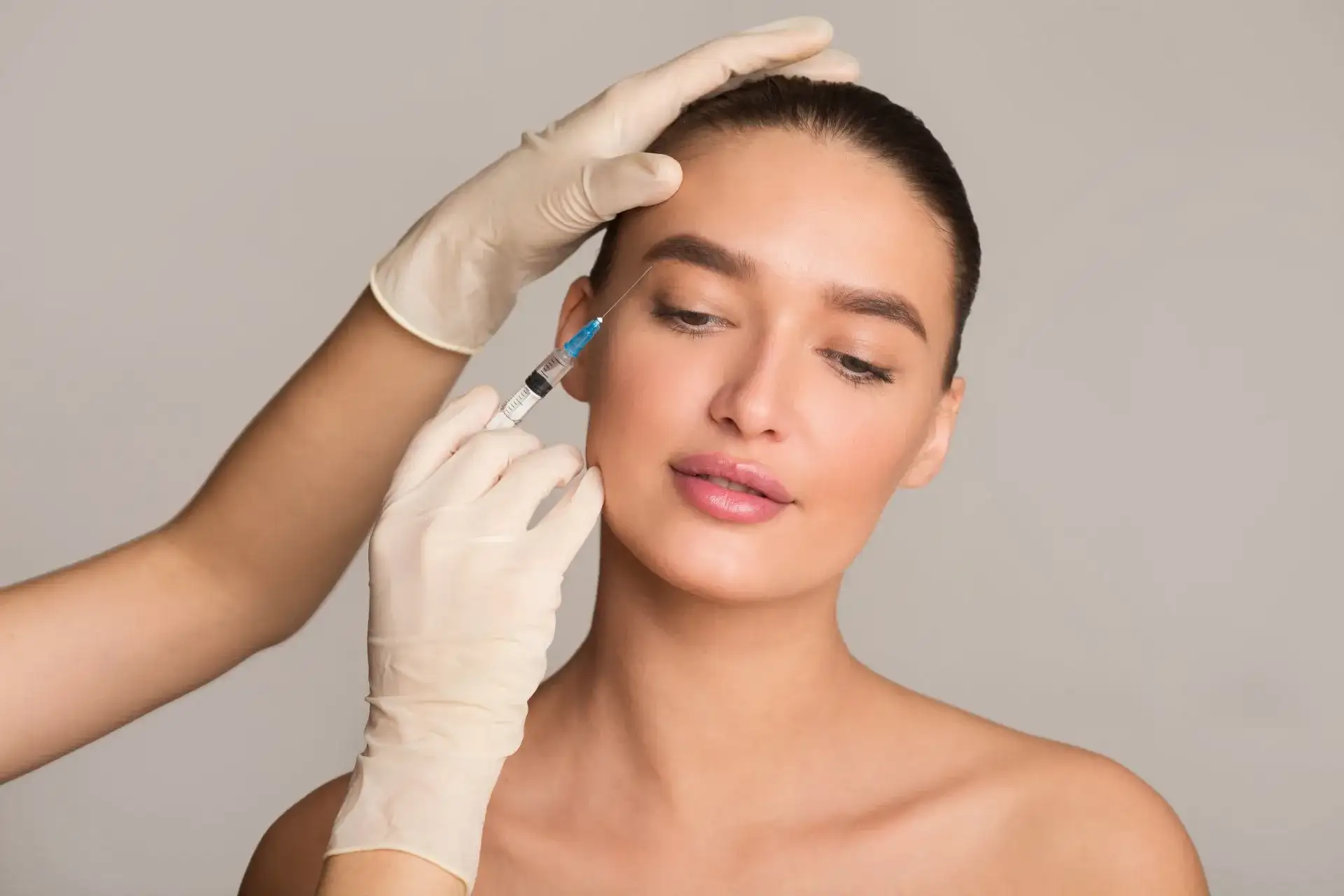

Skin aging occurs over time. Biological processes thin the epidermis, and repeated muscle contractions create mechanical stress. As this stress continues, it degrades dermal collagen, and when individuals seek early treatment with preventative Botox, providers define this approach as preventative aesthetics. This method focuses on delaying visible lines.
Identifying Aging Factors
Chronological aging follows a biological timeline. Environmental exposure accelerates visible changes, and lifestyle habits affect dermal integrity. As collagen production slows and repetitive movements persist, dynamic wrinkles form, and when fibroblast activity declines, the skin loses elasticity and structure. These changes affect overall skin appearance. Sun exposure damages skin. Fibers weaken over time, and surface texture becomes uneven. While volume loss alters facial contours and structural support decreases, providers assess these concerns, and they guide patients toward early maintenance strategies. These patterns develop gradually.
Lifestyle patterns influence skin aging. Daily habits affect long-term outcomes, and consistent exposure to environmental stressors contributes to visible decline. As hydration levels fluctuate and nutritional intake varies, the skin reflects these internal changes, and when external damage combines with biological aging, structural integrity weakens further. Providers review these factors during assessments.
Understanding Preventative Botox Mechanisms
Preventative Botox functions as a neuromodulator. It interrupts nerve signals, and it limits targeted muscle activity. Because acetylcholine release decreases and muscle contraction reduces, the skin experiences less stress, and when movement declines, collagen breakdown slows. This process supports smoother skin. Treatments require little time. Patients receive injections, and providers use fine needles for precision. While the effects last several months and the body metabolizes the protein, muscle activity gradually returns, and when patients follow a consistent schedule, results remain stable. Sessions occur in clinical settings.
Evaluating Treatment Outcomes
Clinical research supports neuromodulator use. The injections reduce facial lines, and practitioners report visible changes within days. Although mild swelling appears in some cases and resolves quickly, adverse effects remain limited, and when providers tailor dosage, results maintain a natural appearance. Outcomes vary by individual.
Patient satisfaction remains high. Treatments pair with other procedures, and combined approaches refine overall outcomes. While some individuals express concern about restricted movement and unnatural results, proper technique preserves facial expression, and when dosing aligns with anatomy, movement appears normal. Providers monitor progress over time.
Treatment frequency varies by patient. Providers schedule sessions based on muscle activity, and they adjust timing as treatment response develops. While some individuals require maintenance every few months and others extend intervals over time, consistent evaluation supports stable outcomes, and when providers reassess facial movement, they refine long-term plans. This approach maintains balanced results.
Taking Action Early
Preventative Botox reflects a shift in aesthetic care. Medical providers use early intervention, and this approach reduces repeated skin stress. As aging progresses and structural proteins decline, targeted treatments help maintain smoother skin, and when patients begin earlier, long-term changes appear less pronounced. This approach supports gradual maintenance. Patients attend periodic sessions. The procedure requires minimal downtime, and results develop gradually. While aging continues as a natural process and no treatment stops it entirely, preventative care supports skin health, and when guided by trained professionals, individuals maintain consistent outcomes. Scheduling varies by patient needs.
