

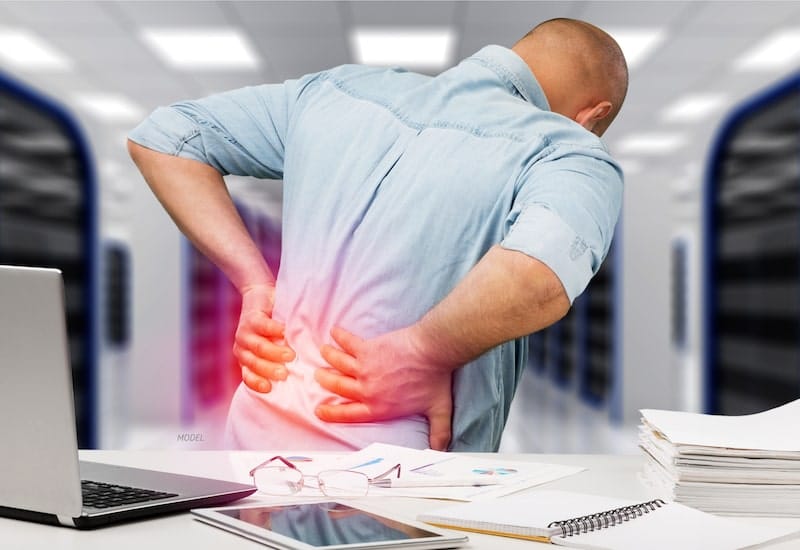

Interventional pain management utilizes specific medical procedures, and these directly address ongoing physical discomfort in adult patients. Many individuals experience chronic aches daily, and medical providers use targeted techniques to relieve specific symptoms. When your body hurts constantly, doctors evaluate your physical condition through specialized diagnostic methods. Here is more information on the benefits of interventional pain management:
Identifying the Root Cause
Doctors review your daily symptoms, and they order specific diagnostic imaging tests for greater medical clarity. Because back issues vary widely among individuals, detailed imaging scans pinpoint exact structural changes within the body. Accurate medical diagnosis guides the careful development of your personalized physical therapy and structured treatment plan. Medical professionals focus deeply on finding the precise origin point of your ongoing physical discomfort.
While general muscle aches can occur, highly localized severe pain requires immediate and specific medical attention. Pain management teams evaluate your daily physical limitations during your initial comprehensive office visit. Physicians ask about past injuries, or they review your previous surgical histories in extreme detail. This careful historical review helps modern clinics determine the correct path for your future medical care.
Targeting Irritated Nerves
Targeted medical injections deliver medications directly to the affected anatomical area of your body. If a damaged nerve sends constant signals, these focused treatments block those specific messages. Specialized needles reach the exact spot, and doctors use guidance for accuracy. The precise delivery mechanism is used to maximize the local effect of the compounds in the targeted region.
The generated heat creates a tiny internal lesion, so the targeted nerve immediately stops transmitting signals. Radiofrequency ablation applies controlled thermal energy directly to the affected peripheral nerve endings in the body. After the brief medical procedure ends, the local pain signals may decrease quite significantly. This specialized thermal technique aims to interrupt the specific neural pathway responsible for your ongoing physical suffering.
Since internal tissue inflammation causes severe discomfort, the injected medication calms the specific localized body region. Epidural steroid injections are used to reduce local tissue swelling, and they rapidly decrease surrounding physical nerve pressure. This direct medical approach precisely addresses the specific problem at the primary anatomical source. Professional medical teams monitor your physical responses closely during the duration of the clinical procedure.
Relieving Discomfort
While individual patient relief varies greatly, many affected people report noticeable changes in their daily physical condition. Direct medical interventions aim to reduce your ongoing daily physical suffering through carefully measured clinical steps. These specialized medical treatments address distinct bodily symptoms, and modern clinics use several highly reliable medical approaches:
- Targeted epidural steroid injections for chronic localized inflammation
- Diagnostic nerve blocks for specific joint aches
- Advanced spinal cord stimulation for complex nerve signaling issues
Restoring Function
When your overall physical pain levels finally drop, you may gain much greater daily bodily mobility. Better physical movement directly supports your normal daily life activities at home and in the workplace. Patients may start moving their joints more easily, and they willingly participate in daily physical therapy programs. Increased joint flexibility allows you to perform basic household tasks with much less overall physical strain.
Find Pain Management Services
Call a medical clinic today, and our trained staff will discuss your available treatment options immediately. If you currently need additional physical help, schedule a detailed consultation with a local medical specialist soon. Contact a clinic right now to begin planning your personalized recovery and targeted ongoing care strategy.
