

Subscribe to Updates

    Get the latest creative news from FooBar about art, design and business.

    What's Hot

    Mental Health Strategies for Coping with Everyday Stressors

    April 14, 2026

    The Connection Between Tooth Pain Relief and Oral Hygiene Practices

    April 14, 2026

    Telehealth Grief Counseling

    April 14, 2026
    Facebook Twitter Instagram
    • Privacy Policy
    • About Us
    • Get In Touch
    Tuesday, April 14
    newsflashburst com
    • Home
    • Cardiology
    • Dentistry
    • Health
    • Gynecology
    • Counseling
    • Mental Health
    • Pain Management
    newsflashburst com
    Home»Dentistry»What Is the Process of Getting a Root Canal?
    Root Canal
    Dentistry

    What Is the Process of Getting a Root Canal?

    newsflashburst.comBy newsflashburst.comApril 13, 2026No Comments3 Mins Read
    Share
    Facebook Twitter Reddit Telegram Pinterest Email

    Severe tooth decay and bacterial infections can cause severe pain, and these conditions require dental intervention. A root canal is a dental treatment that removes the infected tissue from the inside of the tooth. The dentist saves as much of the natural structure as possible, and the patient avoids a complete tooth extraction. Here is more information about root canals and the process of getting one:

    Understanding Root Canals 

    Dental providers perform root canals to save badly damaged teeth. While some patients feel anxious about the treatment, modern dental techniques can make the procedure relatively comfortable. The dentist thoroughly numbs the area and removes the damaged nerve, and they clean the internal cavity to prevent further damage. By clearing out the harmful bacteria, the dentist preserves the natural tooth structure.

    Individuals with severe toothaches or prolonged sensitivity to hot temperatures may need this intervention. A deep cavity sometimes exposes the inner pulp of the tooth, or a physical injury may crack the tooth structure. If a patient ignores the signs of infection, the surrounding bone will eventually break down. This bone loss causes severe structural complications; the infection can spread to other areas of the mouth, and the patient will experience swelling in their gums.

    A root canal can help patients avoid the following side effects of an untreated dental infection or damaged teeth:

    • Persistent pain and discomfort that can interfere with daily activities.
    • Spread of infection to neighboring teeth, gums, and other areas of the mouth.
    • Formation of abscesses, which are pockets of pus caused by bacterial infection.
    • Progressive bone loss in the jaw, leading to weakened structural integrity.

    Undergoing the Procedure

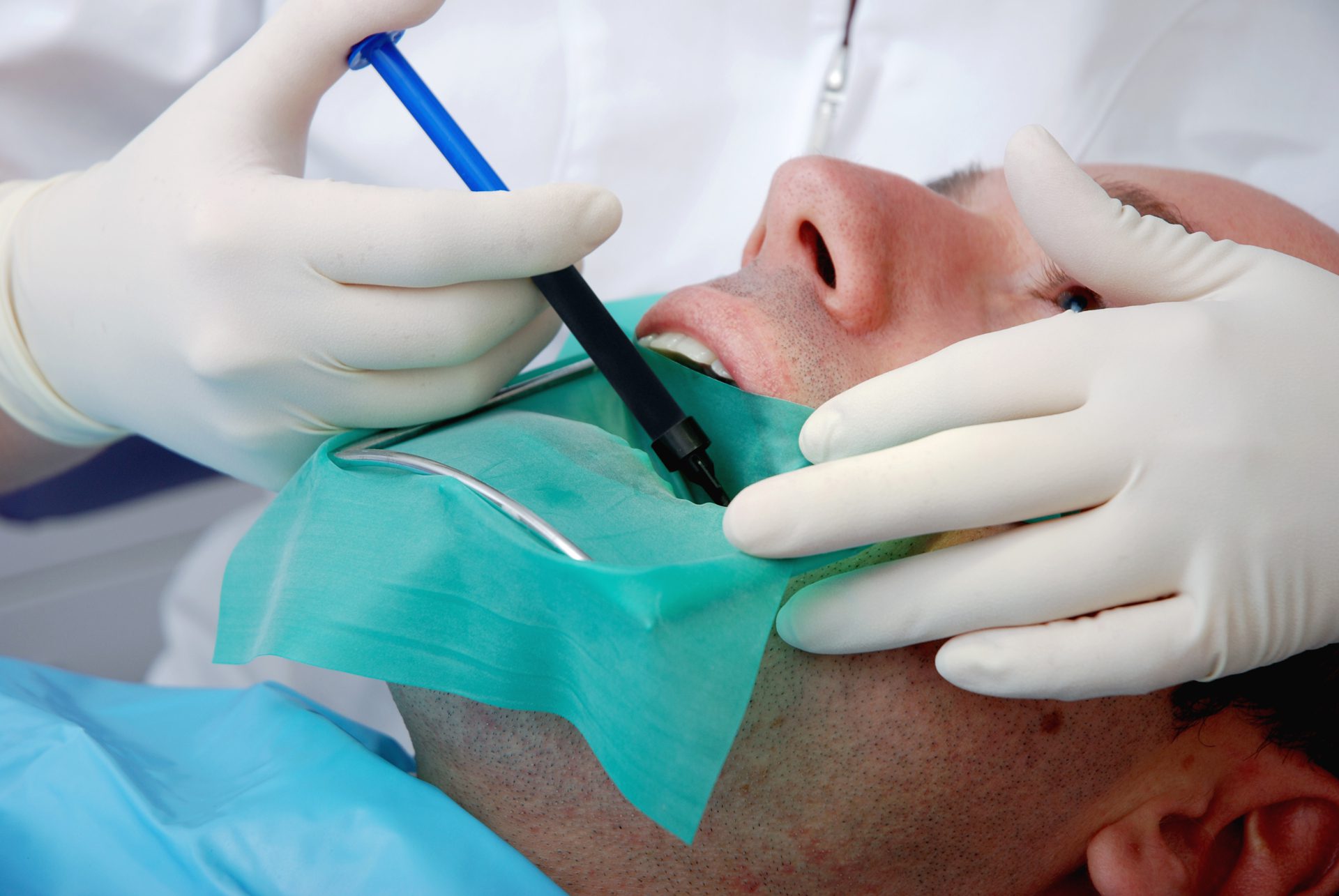
    Once the tooth is completely numb, the dentist places a small protective sheet around the area. This rubber dam keeps the tooth clean, and it prevents saliva from entering the workspace. The provider creates a small opening in the tooth to access the infected tissue. After the space is thoroughly sanitized, the dentist fills the empty cavity with a biocompatible material and seals the opening with a temporary filling or temporary crown.

    Recovering from Treatment

    As the numbing medication wears off, the treated tooth might feel slightly tender for a few days. Over-the-counter pain relievers usually manage this mild discomfort, and most individuals return to their normal activities soon. Patients can bite down without any sharp sensations. While the healing process takes a few days, the initial relief can be dramatic.

    You will need to return to your dentist for a permanent restoration. The provider will place a permanent crown on the tooth, and this structure protects the tooth from future damage. Because the tooth no longer has a living nerve, the crown provides necessary strength for normal chewing. The new crown blends in with your surrounding teeth.

    Learn More About Root Canals

    A root canal saves your natural tooth, and the procedure removes painful internal infections. The treatment involves careful preparation, detailed cleaning, and thorough sealing of the damaged tooth. Because the infection is gone, you can chew and enjoy most foods without any discomfort or further damage; your provider will advise you on any dietary restrictions you need to observe. If you want to learn more about the benefits and process of a root canal, consult a dental provider near you.

    Share. Facebook Twitter Pinterest LinkedIn Telegram Reddit Email
    Previous ArticleThe Role of Botox in Preventative Aging
    Next Article Postoperative Care Tips for Spine Surgery Patients
    newsflashburst.com
    • Website

    Related Posts

    The Connection Between Tooth Pain Relief and Oral Hygiene Practices

    April 14, 2026

    The Impact of Dental Implants on Quality of Life

    April 13, 2026

    Advantages of Professional Teeth Whitening Over DIY Methods

    April 12, 2026

    The Role of Your Dentist in Keeping Your Smile Bright

    April 12, 2026

    The Importance of Regular Check-Ups in Cosmetic Dentistry

    April 10, 2026

    The Safety and Efficacy of Denture Treatments

    April 9, 2026
    Add A Comment

    Leave A Reply Cancel Reply

    Demo
    Stay In Touch
    • Facebook
    • Twitter
    • Pinterest
    • Instagram
    • YouTube
    • Vimeo
    Don't Miss

    Mental Health Strategies for Coping with Everyday Stressors

    By newsflashburst.comApril 14, 2026

    Mental health encompasses our emotional, psychological, and social well-being, and it affects how we handle…

    The Connection Between Tooth Pain Relief and Oral Hygiene Practices

    April 14, 2026

    Telehealth Grief Counseling

    April 14, 2026

    Understanding the Benefits of Interventional Pain Management

    April 13, 2026

    Subscribe to Updates

    Get the latest creative news from SmartMag about art & design.

    About Us

    Your trusted source for timely news, trends, and global updates. This platform is designed to deliver clear, engaging, and easy-to-read content across news, business, technology, health, lifestyle, and entertainment—keeping you informed with what matters most.

    We’re currently open to partnerships, collaborations, and advertising opportunities.

    Email Us: admin@newsflashbursts.com

    Our Picks

    Understanding the Benefits of Interventional Pain Management

    April 13, 2026

    How Primary Care Providers Support Chronic Disease Management

    April 13, 2026

    The Role of Routine Screenings and Check-ups in Women’s Health

    April 13, 2026
    Top Categories
    • Cardiology
    • Pain Management
    • Fitness & Wellness
    • Counseling
    • Health
    • Nutrition
    • Dentistry
    • Gynecology
    • Skin Care
    • Mental Health
    Facebook Twitter Instagram Pinterest
    © 2026 newsflashburst com

    Type above and press Enter to search. Press Esc to cancel.

    Powered by
    ►
    Necessary cookies enable essential site features like secure log-ins and consent preference adjustments. They do not store personal data.
    None
    ►
    Functional cookies support features like content sharing on social media, collecting feedback, and enabling third-party tools.
    None
    ►
    Analytical cookies track visitor interactions, providing insights on metrics like visitor count, bounce rate, and traffic sources.
    None
    ►
    Advertisement cookies deliver personalized ads based on your previous visits and analyze the effectiveness of ad campaigns.
    None
    ►
    Unclassified cookies are cookies that we are in the process of classifying, together with the providers of individual cookies.
    None
    Powered by