


Dental restoration work repairs damage to teeth and restores their functionality. Patients undergo these procedures to address cavities, fractures, and missing teeth. Routine maintenance extends the lifespan of these restorations, and it helps prevent future decay. Here is more information on dentists and the proper maintenance of dental restorations:
What Is a Dentist?
A dentist is a medical professional trained to diagnose, treat, and prevent oral health conditions. A general dentist serves as the primary care provider for patients of all ages. They manage overall oral health needs, and they may coordinate care with other specialists when necessary. Their clinical training covers a broad spectrum of dental procedures and diagnostic techniques. Patients typically visit these providers for their biannual checkups and standard restorative work.
What Services Do They Provide?
Dentists provide a range of services to maintain oral health. These services may be categorized as preventive or therapeutic. Preventive care focuses on maintaining healthy teeth and gums through services like:
- Routine cleanings to remove plaque
- Examinations to detect early signs of decay
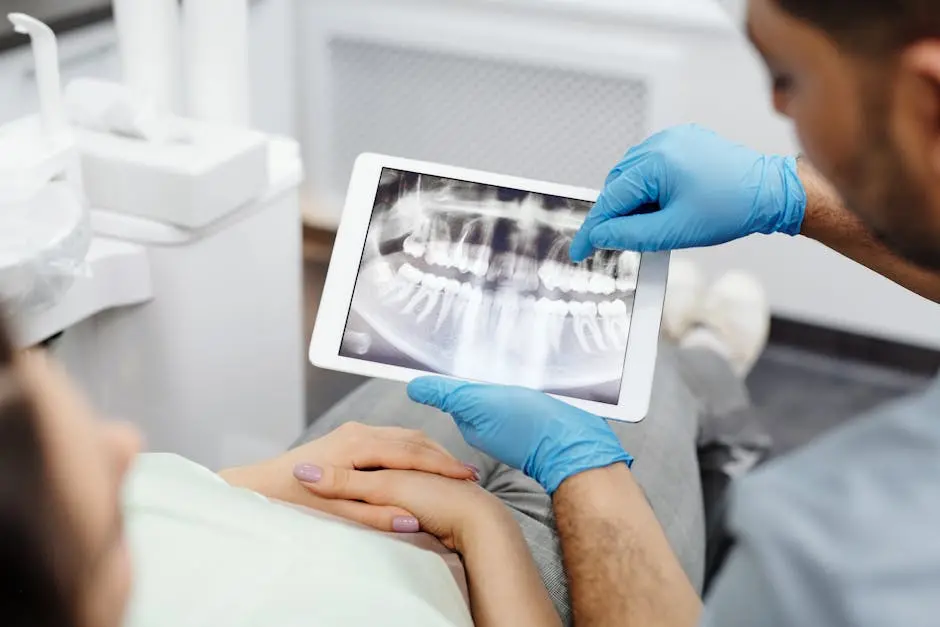
- Dental X-rays to assess underlying bone structures
Therapeutic services address existing oral diseases. These include treating cavities, prescribing medications for infections, and performing cosmetic procedures to improve the appearance of the smile.
What Is Dental Restoration Work?
Dental restoration work encompasses clinical procedures designed to repair the structure of teeth. Dentists remove decayed tissue and replace it with artificial materials. This process restores the functional biting surface, and it halts the progression of bacterial decay within the tooth. Restorations treat damage ranging from minor cavities to complete tooth loss.
What Are the Different Options?
Dental fillings treat minor cavities by sealing the space where decayed material was removed. Crowns cover the entire visible portion of a severely damaged tooth, and they provide structural support for chewing. Bridges replace one or more missing teeth. This is achieved by anchoring artificial teeth to the adjacent natural teeth.
Implants offer a permanent solution for missing teeth, and the procedure involves inserting a titanium post into the jawbone. Dentures provide removable replacements for missing teeth and surrounding tissues. Dentists evaluate the condition of the oral cavity when recommending the most appropriate restoration option for the patient.
How Is Dental Work Maintained?
Proper oral hygiene practices prolong the durability of dental restorations. Patients benefit from brushing their teeth twice a day. Daily flossing removes plaque from around the restoration margins, and it may reduce the risk of secondary cavities. Using an antibacterial mouthwash further decreases the bacterial load in the oral cavity.
Clinical maintenance requires regular dental checkups. During these visits, the dentist examines the restorations for signs of wear or failure. The dental hygienist performs a professional cleaning, and they remove hardened calculus from the restored teeth. Avoiding hard foods helps prevent physical damage to materials like composite resin and porcelain.
Seek Professional Guidance Today
Dental restorations require ongoing care to function properly over time. Patients with existing restorations should follow clinical recommendations for oral hygiene. Schedule an appointment with a dental clinic, and have your current restorations evaluated by a professional. Consistent maintenance protects your oral health and preserves your dental work.
