

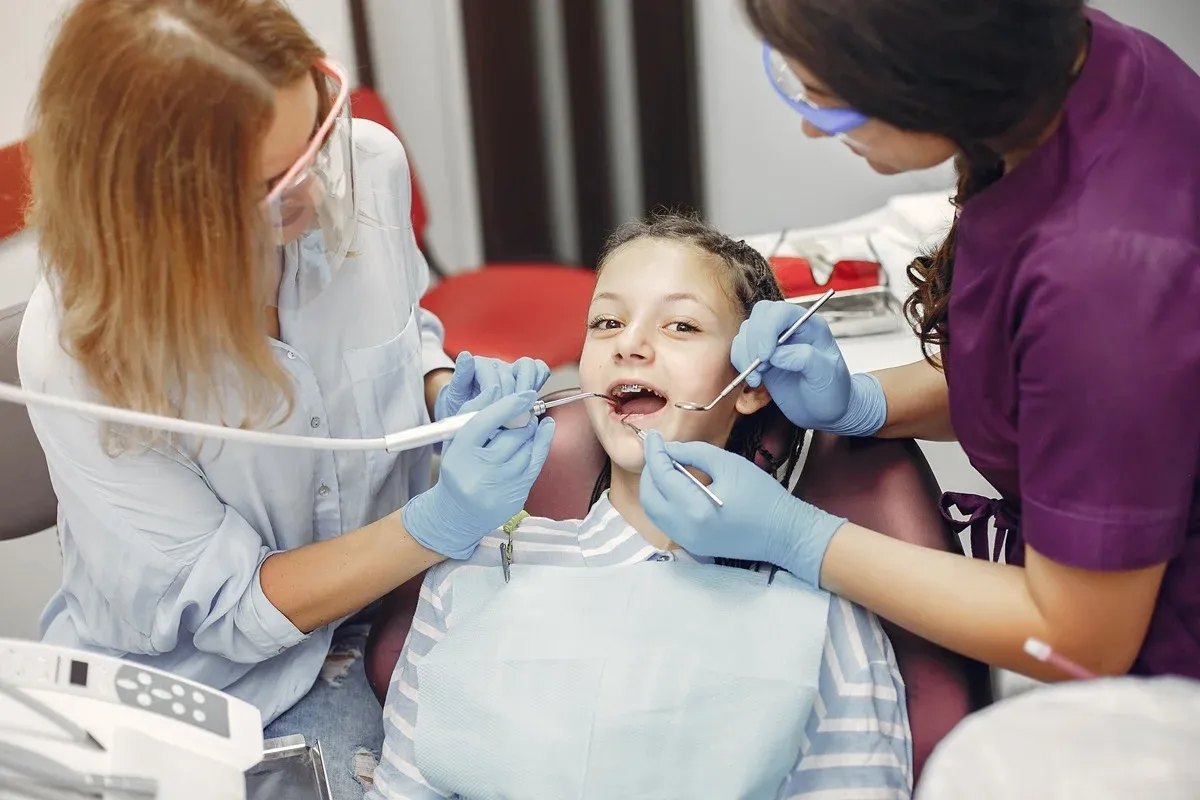

Pediatric dentistry focuses strictly on the comprehensive oral health of infants, young children, and teenagers. These professionals typically complete standard dental school, and they also gain specialized pediatric training. Because young patients present distinct anatomical differences, pediatric dentists study specific physical developmental stages very carefully. Here is more information about the unique needs of pediatric dentistry:
Specialized Care
Medical clinics are difficult for many young patients, so a pediatric dentist can adapt their standard approaches for better patient comfort. When a young child cries during treatment, the trained staff utilizes specific gentle communication techniques to restore calm. Standard adult diagnostic instruments may be too large for a child’s tiny mouth. Pediatric clinics feature smaller dental tools, and they also provide comfortable child-sized examination chairs for youth.
While baby teeth eventually fall out, they hold the necessary space for incoming adult teeth. Early decay in baby teeth negatively affects long-term dental alignment and overall oral health. Dentists evaluate these early structural changes closely, and they intervene quickly before permanent structural damage occurs. Prompt professional treatment may prevent severe bacterial infections in the underlying soft gum tissues and bone.
Preventive Focus
Proactive preventive dentistry protects vulnerable tooth enamel from ongoing acidic bacterial decay. Since children consume various sugary foods, regular professional fluoride applications help strengthen the outer tooth layer. Dentists apply liquid fluoride directly to the teeth, and the resulting mineral barrier helps deter future cavity formation. These quick preventive treatments normally occur during standard dental checkups at the local clinic.
Deep molar grooves trap food particles easily, but dental sealants offer a physical protective shield. Dental practitioners may apply thin liquid resin coatings directly across the vulnerable back chewing surfaces of molars. Once the clear sealant has fully hardened, it helps prevent harmful plaque from entering the deep crevices of the enamel.
Before any visible cavities form, registered dental hygienists thoroughly clean the entire oral cavity. They scrape away all hardened tartar buildup, and they polish the enamel surface to a smooth finish. These thorough professional cleanings remove hidden, destructive bacteria from hard-to-reach places in the mouth. If sticky plaque stays on the teeth for too long, mild gingivitis develops quickly along the gumline.
Guided Hygiene
Parents must establish proper daily oral hygiene habits at home for their growing children. Young children lack refined manual dexterity, so caregivers need to closely supervise daily brushing sessions. Until your child develops independent fine motor skills, follow these specific home dental care steps:
- Buy small toothbrushes with ultra-soft bristles.
- Dispense just a pea-sized drop of toothpaste.
- Brush all tooth surfaces twice every day.
Developmental Monitoring
A young child’s jaw grows rapidly, and their teeth shift position constantly throughout early adolescence. As the facial bone structure expands naturally, dental specialists monitor the mouth for early bite alignment issues. Routine panoramic X-rays reveal hidden teeth or extra impacted adult teeth under the gums. Orthodontic evaluations detect dental overcrowding early, and general dentists refer patients to specialized orthodontists accordingly.
Schedule a Pediatric Dentist Visit
Once your infant cuts their very first tooth, you book an initial dental consultation right away. Call a local pediatric dental clinic to set up a comprehensive evaluation for your child. Regular checkup visits track physical structural development, and they establish a solid foundation of lasting oral health. Please schedule an appointment to start your child on the path to a healthy smile today.
