

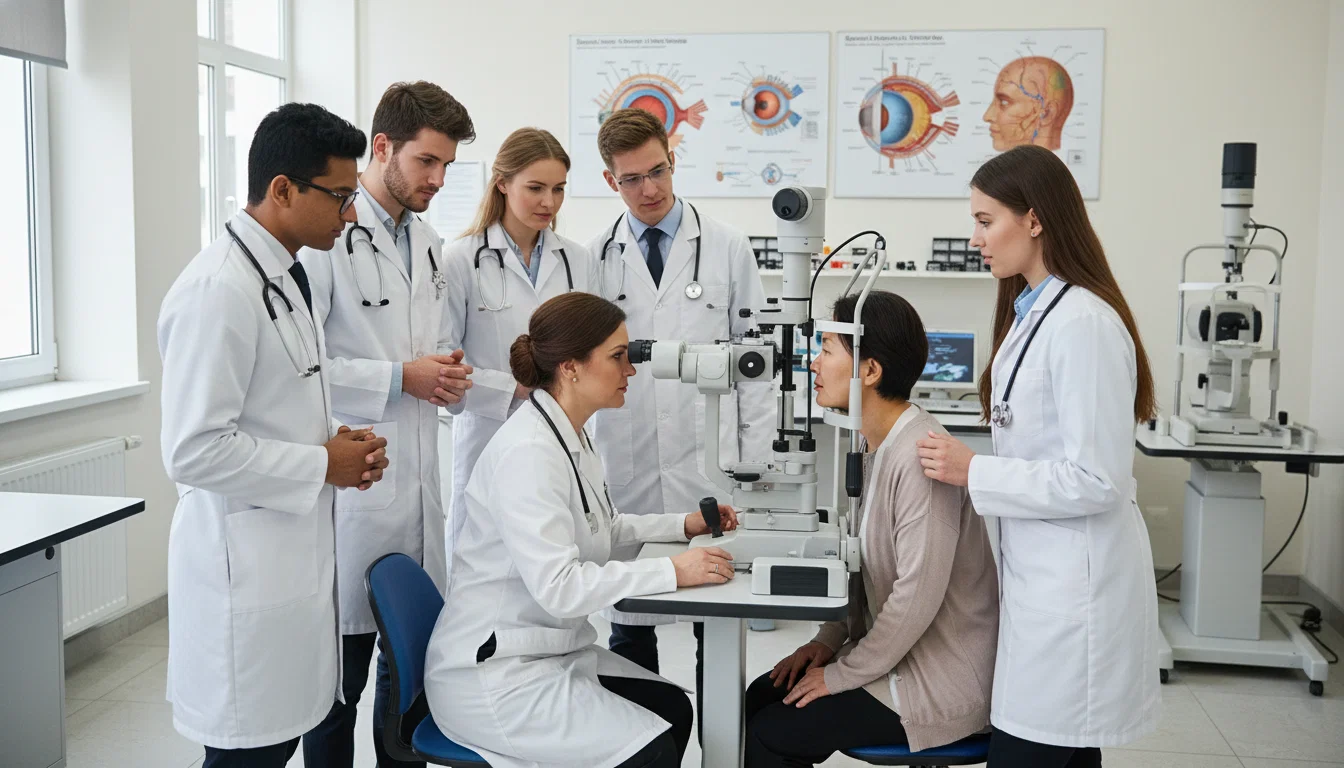

Ophthalmology is a highly specialized branch of modern medicine dealing with the treatment and analysis of the eye. Medical students complete four years of specialized residency training after graduating from medical school, and they manage a variety of structural visual conditions in their practice. Because the eye contains delicate and interconnected structures, some practitioners choose to focus on specific conditions or age groups.
Retina Specialists
The retina is the primary light-sensitive layer of tissue in the eye, and it transmits visual signals to the brain through the central optic nerve. When patients develop conditions like age-related macular degeneration, ophthalmologists typically recommend medical treatments to stabilize the remaining visual field. Retinal detachment can be a medical emergency requiring surgery to reattach the separated tissue layers to the supportive structures. A doctor specialized in retina ophthalmology can assist in this kind of treatment.
Diabetic retinopathy often leads to long-term vision loss in unmanaged cases, but regular monitoring detects early changes before symptoms appear. Advanced thermal laser therapy seals leaking microscopic blood vessels within the damaged retinal tissue layers to prevent further fluid accumulation. Retina specialists inject specialized medications into the eye, or they perform surgeries to remove blood and scar tissue.
Aging Specialists
Aging specialists focus on diagnosing and managing the age-related visual decline occurring in older adults. As patients age and their bodies undergo normal changes, cataracts are often diagnosed by these doctors during routine clinical examinations. Eye pressure increases gradually during the early stages of glaucoma, but clinical tests can measure fluid buildup. Doctors can create treatment plans for individuals who have high eye pressure.
Presbyopia alters the crystalline lens on the eye, so aging individuals often require corrective lenses for reading small text. Chronic dry eye syndrome causes surface irritation for many older adults. If natural tear production decreases due to advancing age, doctors prescribe specialized artificial tears to restore normal surface moisture.
Because elderly patients often take prescription medications, physicians may review health records during annual comprehensive eye exams. Progressive age-related muscular deterioration alters basic eye movements, and specialists provide specialized glasses to correct developed vision issues. Routine geriatric examinations track any progressive damage that may come from aging.
Pediatric Specialist
Childhood visual conditions can be managed by trained pediatric ophthalmologists in clinics equipped for younger patients. Strabismus causes visible eye misalignment during early development, and patching therapies help the weaker eye work to build strength. While amblyopia typically develops in early childhood, prompt clinical intervention restores normal visual function for a young patient.
Young children experience rapid ocular growth throughout their early years, which can result in a variety of conditions that may require specific treatment. Unless a doctor treats congenital cataracts after a baby’s birth, the developing infant could lose visual pathways in the central nervous system. Surgeons utilize specialized surgical tools to accommodate the small dimensions of infant and toddler eyes during intricate procedures. These procedures help children see more clearly while growing up.
Schedule an Ophthalmology Appointment
Before you notice any severe functional changes in your daily field of vision, contact a certified eye clinic. Comprehensive diagnostic tests evaluate the health of your eyes during routine clinical visits and doctors can treat any existing conditions. Call to schedule an appointment with an experienced ophthalmology specialist.
