

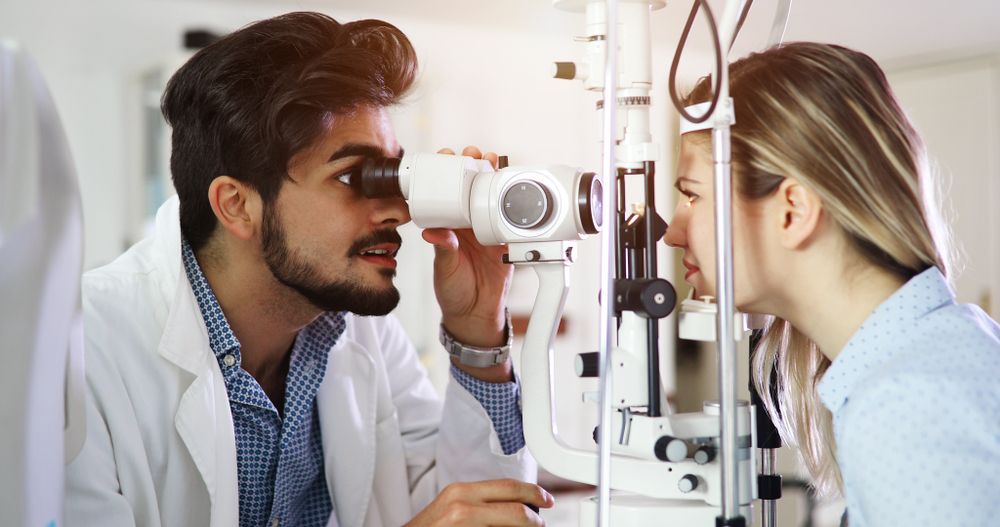

An optometrist plays a significant role in maintaining eye health, monitoring vision changes, and providing guidance on corrective lenses or treatment options. Building a lasting relationship with your optometrist can support more personalized care, better communication, and early detection of potential eye concerns. Here are key ways to build a strong relationship with your optometrist:
Building Eye Care Habits
Daily physical habits affect the long-term status of your eye health. Patients must follow specific maintenance routines at home, which directly support their optometrist’s clinical work. While office visits to the optometrist remain fundamental for accurate diagnosis, daily home maintenance can prevent minor physiological issues from escalating. Here are protective measures patients can incorporate to preserve corneal integrity:
- Screen time management: Individuals must take periodic breaks from digital monitors to reduce physical eye strain and prevent chronic fatigue.
- Ultraviolet radiation protection: Patients should wear proper sunglasses outdoors to shield the cornea from harmful solar radiation during the day.
- Contact lens hygiene: Users must clean their lenses with approved sterile solutions to prevent harmful bacterial infections on the eye surface.
These specific habits form a solid foundation for continuous eye health. Patients should commit to daily home care, and the optometrist handles the complex clinical evaluations.
Sharing Health Concerns
Clear communication improves your medical provider’s overall diagnostic accuracy. Patients should share their full medical history, and this can guide subsequent clinical assessment. A systemic condition like diabetes may seem unrelated to vision, but it can directly affect the health of the retina. Elevated blood sugar levels may cause microscopic damage to ocular blood vessels.
Accurate symptom reporting also contributes to the specific treatment protocols used by the optometrist. Patients may notice frequent tension headaches, or they may experience sudden light sensitivity during the day. They should report them to the optometrist immediately; prompt notification allows the medical staff to initiate appropriate diagnostic testing.
Personalizing Vision Support
Specific vision requirements vary significantly among different individuals. An optometrist evaluates your physical and lifestyle needs, and they use that to develop a customized treatment plan. Here are ways optometrists personalize support for eye health:
- Occupational lens prescribing: Clinicians design specific lenses for patients working extensively with computer screens to minimize ocular fatigue.
- Dry eye management: Medical staff prescribes targeted lubricating drops to address chronic tear film instability and surface inflammation.
- Astigmatism correction: Doctors accurately measure corneal curvature to fit specialized toric contact lenses for clear vision.
Personalized treatments often produce much better long-term outcomes. Your eye doctor reviews these therapeutic interventions regularly, and the clinical staff adjusts the medical prescriptions as needed. If your physical work environment changes substantially, your optometrist modifies the treatment plan to match your new external environment.
Monitoring Eye Health
Natural biological aging continuously alters internal ocular structures. The optometrist records these structural changes, and the clinic securely stores this baseline data. While some physical deterioration occurs normally over decades, rapid physiological shifts may indicate underlying progressive eye conditions. Early identification of these markers can prevent irreversible vision loss.
Licensed optometrists coordinate actively with other specialized medical providers. Your primary eye doctor manages routine chronic conditions, but an ophthalmologist handles invasive surgical interventions. If you require complex structural interventions like a corneal transplant, your optometrist refers you to the appropriate medical surgeon.
Visit an Optometrist Today
Promoting optimal eye health requires regular care and coordination among specialized medical professionals. Licensed optometrists play a major role in managing routine eye conditions, detecting early signs of disease, and referring patients to specialists such as ophthalmologists for advanced surgical care when necessary. This collaborative approach promotes comprehensive and effective treatment for all aspects of ocular health. Contact a qualified optometrist in your area to schedule your appointment today.
