

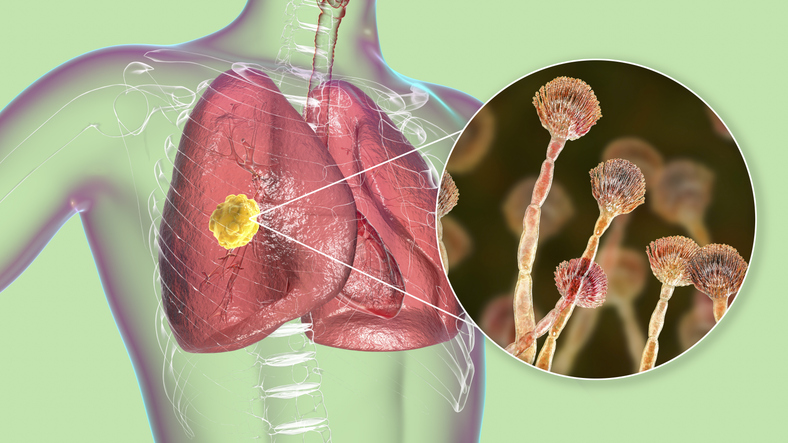

Exposure to certain indoor environments can influence human health in various ways. Mold thrives in specific conditions and release byproducts into the air. When individuals occupy buildings with past or ongoing water damage, they risk inhaling these microscopic substances. Prolonged exposure can lead to a condition known as mycotoxin illness. This condition affects multiple systems within the human body, leading to a wide range of physical and cognitive challenges.
What Is Mycotoxin Illness?
Mycotoxin illness develops when a person absorbs or inhales toxic compounds produced by certain strains of fungi or mold. These lifeforms naturally multiply in environments characterized by warmth and excess moisture, and they are commonly found inside building materials, such as wood, drywall, paper, and various fabrics. As these organisms consume these materials, they grow and spread by releasing spores.
Specific species emit toxic chemical byproducts called mycotoxins. These minute particles circulate through indoor air. Upon inhalation or direct skin contact, they enter the bloodstream and travel throughout the body. The presence of these toxins can trigger systemic inflammation and disrupt normal immune function. The severity of the resulting illness depends on several factors, including the specific type of toxin, the duration of exposure, and the individual’s baseline health status.
What Are the Effects?
Physical and cognitive manifestations of mycotoxin illness vary among individuals. Because the toxins travel via the bloodstream, they can impact nearly any system in the body. Respiratory issues frequently emerge, and present as as chronic sinus congestion, sore throats, or asthma-like reactions.
Neurological manifestations are also reported by those exposed to toxic indoor environments. Affected individuals may experience certain symptoms; this includes recurring headaches, dizziness, memory difficulties, and brain fog. Psychological changes, including elevated anxiety or depressive states, are sometimes linked to prolonged exposure.
Other systemic reactions include persistent fatigue, insomnia, unexplainable joint and muscle pain, and digestive distress such as nausea or abdominal bloating. Since these reactions mimic those of many other conditions, reaching an accurate diagnosis requires careful medical evaluation. High toxin loads may lead to complex complications if left unaddressed. They can weaken immune defenses, and make affected individuals more susceptible to recurring infections or multiple chemical sensitivities.
How Is It Treated?
Addressing this condition involves a comprehensive approach tailored to the specific needs of the patient. The initial phase of intervention requires removing the source of the mold exposure; healing cannot progress effectively if the individual remains in a compromised environment. Once the environmental trigger is resolved, healthcare providers typically focus on eliminating the accumulated toxins from the body. Treatment protocols can include specialized therapies designed to support the body’s natural detoxification pathways. Medical professionals might recommend intravenous therapies and specific nutritional balancing plans.
Dietary adjustments also play a role in the recovery process. An anti-inflammatory diet can help reduce systemic irritation and supports immune function recovery. Specialized testing, including detailed bloodwork and other diagnostic assessments, guides the specific direction of these therapies.
See a Medical Professional
Navigating the complexities of indoor environmental exposures requires specialized knowledge. A qualified physician trained in environmental medicine possesses the necessary expertise to evaluate your specific situation. Through comprehensive physical examinations and targeted diagnostic testing, a doctor will map out an individualized care plan. Professional medical intervention provides a direct path toward restoring health and may minimize the long-term impact of toxic exposure.
