


Tooth loss occurs for many reasons, including severe decay and long-term wear. Dentures are a common solution for replacing missing teeth. They restore the appearance of a smile, and they support everyday functions like chewing and speaking. Because different types suit unique situations, understanding your options prepares you for a clearer conversation with your dentist. Here’s information about several types of dentures:
Partial Denture Options
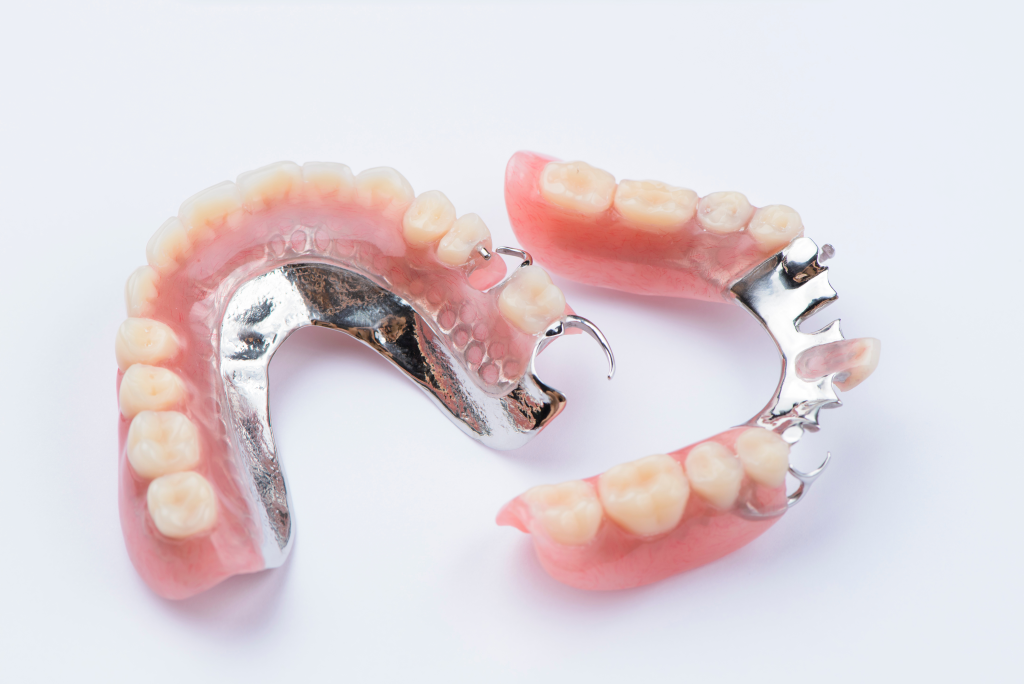
Partial dentures replace one or more missing teeth when natural teeth still remain in the mouth. They consist of replacement teeth attached to a base, which often matches the color of your gums. Some partials rely on metal clasps or precision connectors; these attach to the natural teeth on either side of the gap.
The clasps hold the device securely while still allowing you to remove it for cleaning. Dentists recommend partials when several teeth are missing, but enough healthy teeth remain to anchor the appliance. The dentures also fill spaces that might otherwise allow nearby teeth to shift out of position. This helps maintain alignment across the arch. Because they are removable, you take them out at night and clean them as part of your daily routine.
Complete Denture Designs
Complete dentures, sometimes called full dentures, replace every tooth in an upper or lower arch. They rest directly on the gums and the underlying bone ridge, and a gum-colored base holds the full set of artificial teeth in place. The upper denture covers the roof of the mouth; this surface creates the suction that secures it. The lower denture takes a horseshoe shape to leave room for the tongue. It depends on the gum ridge for stability. Dentists may suggest complete dentures when an entire arch is missing or requires removal. You order a complete denture for the top, the bottom, or both arches. These appliances are also removable, and they require regular cleaning to remain in good condition.
Implant-Supported Denture Solutions
Implant-supported dentures combine traditional dentures with dental implants placed in the jawbone. The implants act as anchors, and the denture attaches to them rather than resting only on the gums. This design holds the appliance firmly, which helps reduce movement during chewing and speaking.
To complete this procedure, the dentist places several implants into the jaw; these posts integrate with the surrounding bone over time. Once the integration finishes, the denture connects to the implants through snap-on attachments or a fixed bar system. Snap-on versions are removable, while bar-retained or screw-retained options stay in place until a dental professional detaches them.
This approach suits people who have sufficient jawbone to support implants and who are seeking a more stable alternative. It is sometimes recommended for patients who have experienced loose or uncomfortable traditional dentures and want improved chewing efficiency and clearer speech. Because implant-supported dentures help stimulate the jawbone, they may also reduce the bone loss that typically occurs after tooth loss. This option applies to both partial and full tooth replacement.
Ask a Dentist About Dentures
Your dentist evaluates several factors, including the number of missing teeth, the condition of your gums, and the amount of available bone. This assessment allows them to recommend an option that matches your needs and treatment plan. A thorough examination and open discussion provide the information you need, so you can move forward with a clear understanding of each option. Because treatment decisions depend on individual circumstances, asking questions during this visit helps make sure you leave with a plan suited to your situation. Consult your dentist to learn more about dentures.
