

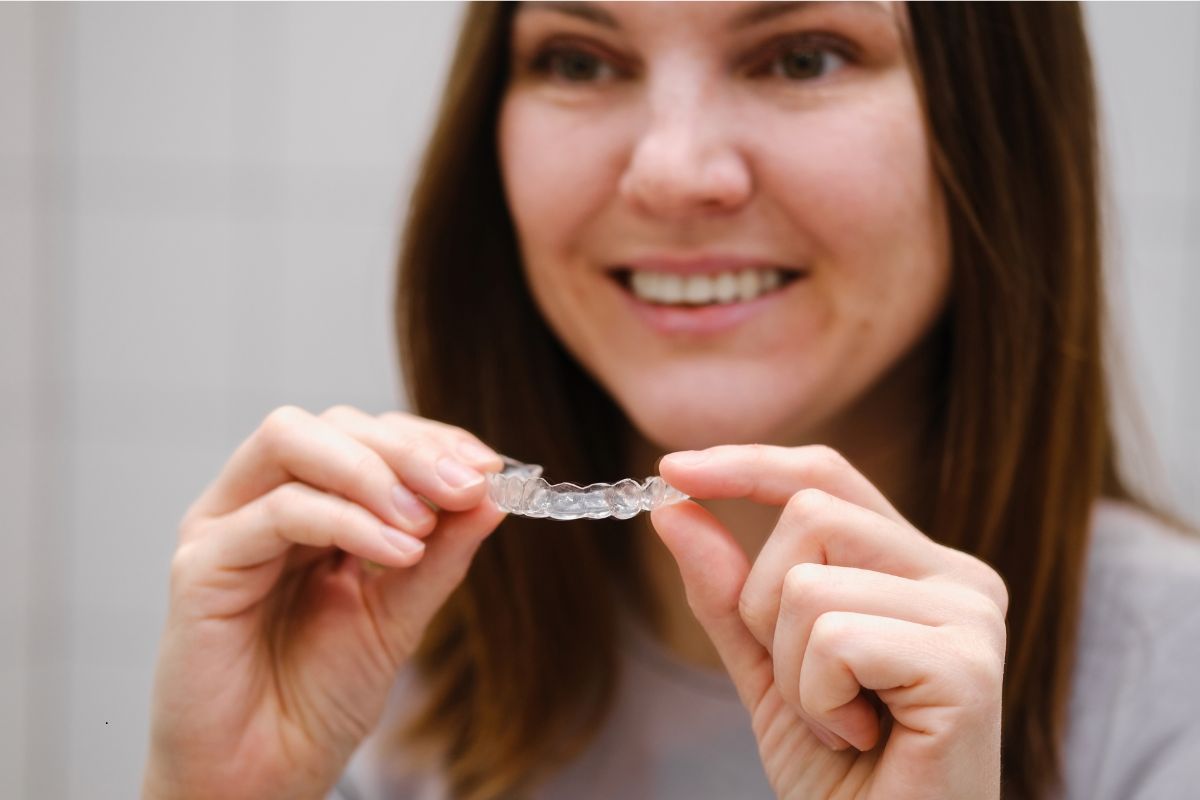

Invisalign uses a series of clear, custom-made aligners to gradually move teeth into their desired positions. Rather than relying on metal brackets and wires, the treatment uses smooth plastic trays that fit closely over the teeth, and patients switch to a new set of aligners as treatment progresses. Because the aligners are removable and less noticeable than traditional braces, many individuals choose Invisalign as a more discreet orthodontic treatment option. Here is additional information about this straightening method and how the treatment process works:
Examining the Clear Format
Each Invisalign aligner is made from a transparent, flexible material that fits snugly over the teeth. The trays remain clear throughout treatment, and they are designed to blend naturally with each patient’s smile. Because Invisalign does not use brackets or wires, the aligners provide a smooth surface that rests comfortably against the cheeks and gums. This treatment option is ideal for individuals who prefer a less noticeable approach to orthodontic care. The aligners work gradually and discreetly, so patients can wear them while working, attending school, or participating in social activities.
Managing Daily Routines
One of the key features of Invisalign is that the aligners are removable. Patients take them out when eating, and they also remove them for brushing and flossing. This feature distinguishes Invisalign from traditional fixed orthodontic appliances. Because the aligners are not permanently attached to the teeth, they offer flexibility while allowing patients to maintain many of their usual daily habits. Regular cleaning helps keep the trays clear, and a consistent routine supports proper aligner care throughout treatment.
Invisalign’s flexibility provides several practical benefits:
- Continue eating regular foods without navigating around brackets or wires.
- Maintain normal brushing and flossing routines.
- Remove the aligners briefly for photos or special occasions.
- Clean the trays easily according to the provider’s instructions.
Following the Treatment Steps
Treatment typically begins with a consultation. A dental professional evaluates the individual’s teeth, discusses whether clear aligners are appropriate for their situation, and develops a treatment plan tailored to their needs. Patients then receive a series of custom trays designed to move the teeth in carefully planned stages. Each set is worn for a specified period before transitioning to the next, and the teeth gradually shift toward their intended position.
Throughout the process, regular check-ins with a provider help make sure progress is on track; they also allow time for any questions to be addressed. Because every treatment plan is individualized, the overall timeline varies based on the complexity of each case. Adherence to the prescribed schedule is key for optimal results. Since the trays are typically removed only for eating and oral hygiene, they remain in place for most of the day and continue working as intended. Clear aligners should be worn for at least 22 hours each day to maximize effectiveness.
Learn More About Invisalign
An orthodontist is a key source of guidance when exploring options for straightening teeth. They evaluate your individual situation, explain available treatment paths, and help determine whether clear aligners match your goals. During a consultation, you can ask about the process and expected timeline for straightening teeth with Invisalign; this helps you make more informed dental decisions. Schedule an appointment to begin building a personalized treatment plan for enhancing your smile.
