

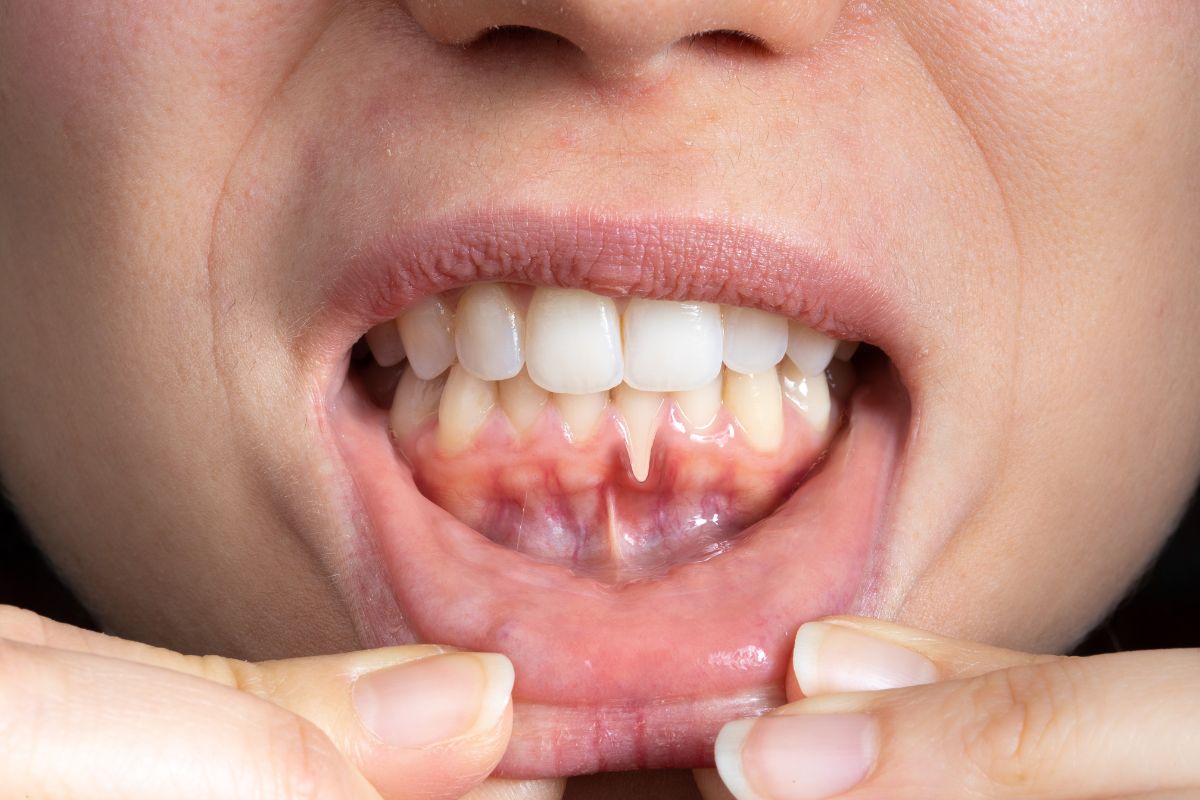

Periodontal disease is a bacterial infection that affects the gums and the structures supporting your teeth. It begins when plaque builds up along the gumline and is not fully removed through brushing and flossing. Left untreated, gingivitis progresses into periodontitis, and this causes lasting damage to soft tissue and bone. Here is some information about the long-term effects of periodontal disease:
Bone and Tooth Loss
A key consequence of untreated periodontal disease is the gradual deterioration of the alveolar bone, which is the bone that holds your teeth in place. Bacteria in deep periodontal pockets release toxins that trigger an inflammatory response. Sustained over time, the inflammation breaks down both bone and the connective tissue attaching teeth to the jaw. As this process continues, teeth become loose. Gum recession exposes root surfaces; this makes teeth sensitive and more vulnerable to decay. In advanced stages, teeth may shift position, creating gaps or changes in your bite. Tooth loss is a direct outcome when bone support falls below a functional threshold. The rate of bone loss varies by individual, but the process does not reverse on its own. Without professional intervention, the damage accumulates.
Chronic Pain and Infection
Persistent discomfort is common in people with untreated periodontal disease. Deep pockets along the gumline collect bacteria, which become sources of recurring infection. Swollen, bleeding gums are early signals; pain during chewing and persistent bad breath often follow as the disease progresses.
Periodontal abscesses, which are localized pockets of infection, develop when bacteria become trapped and multiply. These are acutely painful and require prompt treatment. Bad breath that does not resolve with routine oral hygiene is often linked to bacterial activity in infected gum tissue. Chronic infection in the mouth places a sustained burden on the immune system, and the body’s attempt to contain it sustains low-grade inflammation throughout the affected tissue.
Systemic Concerns
Some oral health issues affect overall physical health, extending beyond the mouth. The bacteria present in periodontal infections can enter the bloodstream through inflamed gum tissue. This pathway has been linked to cardiovascular disease, complications in diabetes management, and adverse pregnancy outcomes.
People with diabetes are at elevated risk for developing periodontal disease, and uncontrolled gum infections can make blood sugar regulation difficult. For individuals managing chronic health conditions, periodontal health is a factor their medical providers often monitor. Some respiratory conditions have been connected to oral bacteria. When bacteria from the mouth are aspirated into the lungs, the risk of infection increases.
This disease does not remain limited to the mouth when it becomes advanced. In severe cases, the infection can contribute to systemic inflammation that places additional strain on overall health. This connection highlights the benefits of managing oral disease as part of overall health, and it affects treatment planning for patients with chronic conditions.
Manage Periodontal Disease
Early detection and consistent treatment affect how periodontal disease progresses. Professional cleanings, scaling, and root planing address the bacterial buildup and structural damage that self-care cannot resolve. Routine monitoring through dental evaluations allows providers to track bone levels and tissue changes over time. Contact your dental office today to schedule a periodontal evaluation.
