

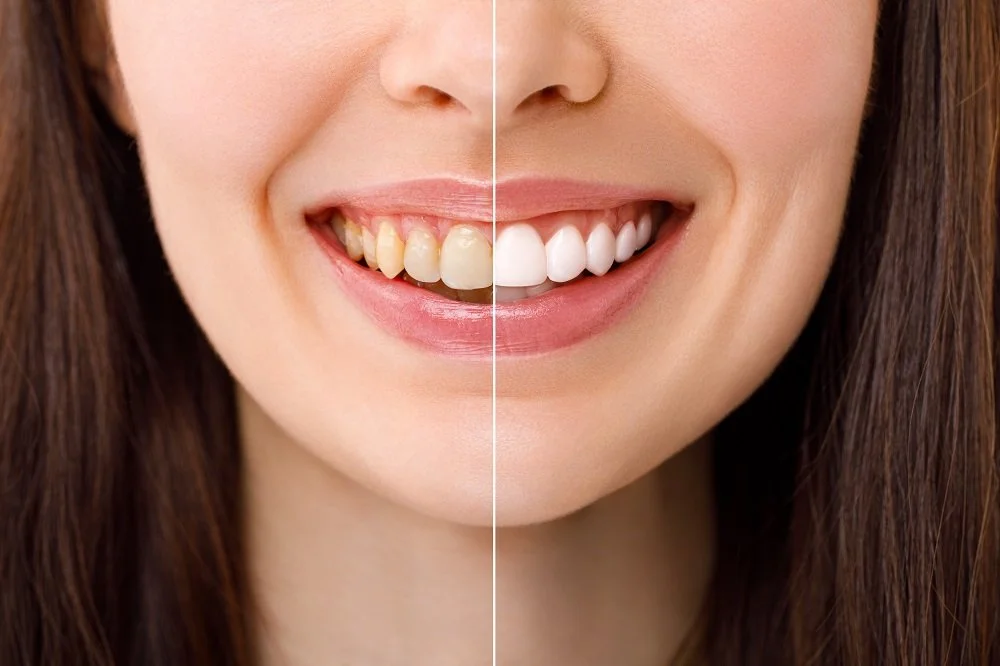

Teeth cleaning supports the health and appearance of your teeth and gums. Brushing and flossing remove food particles and plaque, but they cannot eliminate hardened tartar. Tartar traps bacteria along the gum line, and this buildup raises the risk of cavities and gum disease, so professional care addresses what daily routines leave behind. A clean mouth contributes to both oral health and the brightness of your smile.
Understanding Professional Teeth Cleaning
Teeth cleaning is a dental treatment that improves the condition of your teeth and mouth. Plaque is a sticky film of bacteria that develops on the teeth and along the gum line. Plaque is normal, but when it stays in place, it hardens into tartar that brushing cannot remove. Tartar traps bacteria; because this raises the risk of cavities and gum disease, professional teeth cleaning becomes the method that clears it away.
Examining the Cleaning Process
The specifics of each appointment depend on individual oral health needs. Dental professionals first examine the teeth and gums to look for signs of cavities and gum disease, then use a special tool to remove plaque and tartar from the gum line and between the teeth. The teeth are polished with a gritty toothpaste and an electric toothbrush; professional flossing removes remaining debris. You rinse with a fluoride solution that coats the teeth, and because this layer adds protection, it guards further against cavities.
Scheduling Cleaning Frequency
A dentist determines how frequently you need teeth cleaning based on your oral health. Most recommendations call for cleaning every six months to control tartar buildup and maintain oral hygiene. Some people require more frequent visits, and the following factors influence that schedule:
- A history of gum disease
- Medication that causes dry mouth
- Diabetes
- Smoking
Each factor raises the need for closer attention; because tartar accumulates faster in these situations, a dentist may set shorter intervals between appointments.
Recognizing Deep Cleaning Needs
A deep teeth cleaning, also called scaling and root planing, removes plaque and tartar that have migrated below the gum line. People who delay routine cleanings may need this procedure. When tartar and plaque are not removed regularly, they collect under the gum line and trap bacteria; because this process advances over time, it leads to gum disease, gum tissue loss, and bone loss. Routine care reduces the chance of reaching this stage.
Daily habits work alongside professional care to maintain oral health. Brushing and flossing remove food particles and plaque from the teeth and gums, and these steps form the foundation of good oral hygiene. Tongue scraping addresses bacteria that settle on the surface of the tongue. The routine combines several actions, and because each step targets a different area, the full process supports a cleaner mouth between dental visits.
Schedule Your Next Cleaning
Teeth cleaning removes the tartar that brushing and flossing leave behind. Regular appointments control buildup, lower the risk of cavities and gum disease, and maintain the appearance of your smile. The treatment combines examination, plaque and tartar removal, polishing, flossing, and a fluoride rinse; because these steps work together, they support oral health and help maintain the appearance of your smile. Contact a dental office to schedule your teeth cleaning and keep your smile in sound condition.
