

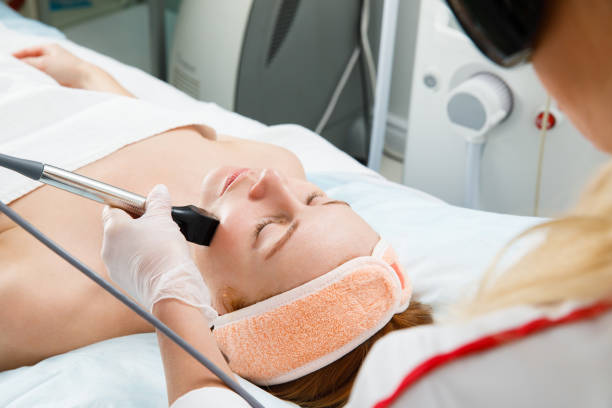

Laser treatments use focused light energy to address various skin concerns. Practitioners use modalities such as Moxi™, Morpheus8, Halo™, BBL™, and laser hair removal, and these devices target specific cellular structures. Patients benefit from these clinical procedures because they promote collagen production without invasive surgery. Here is more information on these treatments and their benefits:
What Are Laser Treatments?
A laser treatment is a medical procedure that utilizes focused beams of light to alter tissue. Practitioners calibrate these devices to emit specific wavelengths, which penetrate the skin at varying depths. Some lasers target pigmentation, while others focus on heating the underlying dermis to stimulate collagen production.
Clinical light therapies rely on concentrated photons to achieve targeted cellular modifications. Modern devices differentiate among various tissue types, and they deliver thermal energy without disturbing neighboring cells. Because of this high level of specificity, medical spas use these tools for highly localized interventions.
What Are the Different Types?
Medical spas utilize several specific modalities to address distinct patient concerns, including:
- Fractional Lasers: Modalities like Moxi™ and Halo™ create micro-injuries in the skin, prompting the body to generate new cells.
- Radiofrequency Microneedling: Morpheus8 combines microneedling with radiofrequency energy to treat the skin.
- Pulsed Light Therapy: BroadBand Light (BBL™) utilizes pulsed light to break down excess melanin.
- Laser Hair Removal: This application uses laser energy to damage the follicle’s ability to regrow hair.
Because hair grows in cycles, patients may require multiple sessions to achieve results with treatments like laser hair removal.
How Do They Work?
The mechanism of action relies on the principle of selective photothermolysis. The specific wavelength of light targets a precise chromophore without damaging the surrounding tissue, and when the target absorbs the light energy, it converts into heat to destroy the specific cellular structure. Ablative lasers remove the outer layer of skin entirely, and non-ablative lasers heat the underlying tissue without breaking the surface. Fractional lasers treat only a portion of the skin at a time, so the surrounding healthy tissue aids rapid healing.
What Does the Process Involve?
A clinical consultation precedes the actual administration of any light-based therapy, and the practitioner evaluates the patient’s skin type. They also discuss the specific aesthetic goals to select the most appropriate device. If a patient is deemed a suitable candidate, the provider will schedule the initial treatment session.
During the appointment, the provider cleans the treatment area, then the laser session begins. After the treatment is completed, the practitioner provides specific post-care instructions to guide the recovery phase. Post-treatment care requires strict adherence to clinical guidelines to prevent complications. Patients should avoid direct sun exposure, and they benefit from applying specialized barrier creams regularly.
What Are the Benefits?
Light-based therapies provide targeted solutions with precision that topical products cannot achieve. Patients may notice reduced hyperpigmentation and an overall improvement in skin texture. Since these modalities stimulate the body’s natural cellular regeneration, the skin’s structural integrity may improve over subsequent months. Practitioners use these devices to address multiple cosmetic concerns simultaneously, and fine lines and wrinkles have the potential to improve with targeted intervention.
Consult a Specialist Today
Understanding the clinical applications of light-based therapies helps patients make informed decisions. Medical professionals tailor these modalities to individual skin types, and this customization maximizes the clinical outcomes. Since every skin profile requires a distinct approach, scheduling a professional evaluation is valuable. Contact a certified medical spa today to schedule an initial consultation.
