

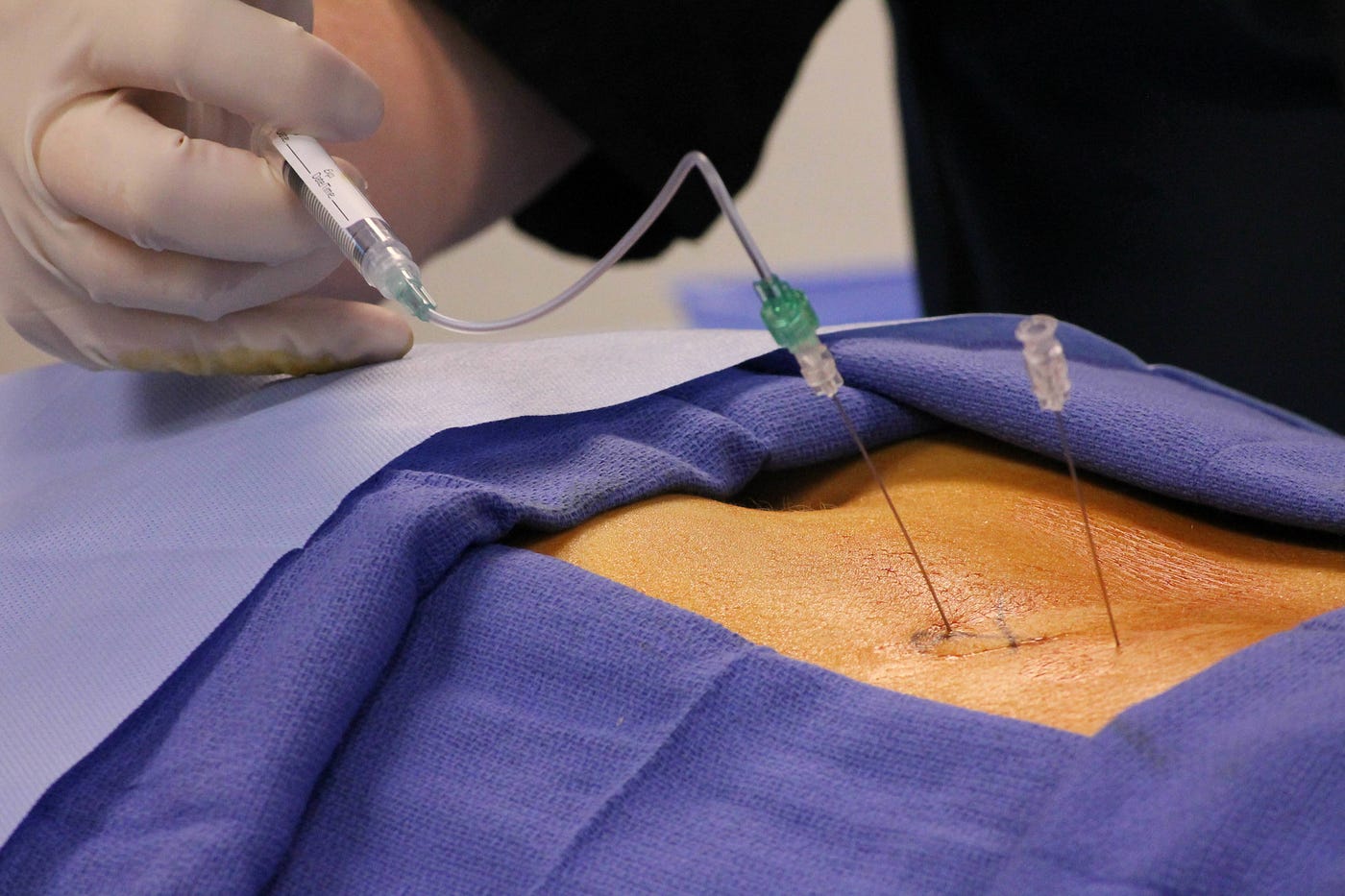

Epidural injections deliver medication directly into the spinal canal. This space houses irritated nerves, and the medication decreases localized swelling. Because spinal issues vary, these targeted injections treat multiple conditions, but they require careful evaluation.
Common Treatable Spinal Conditions
Sciatica causes leg pain, and herniated discs often trigger this exact nerve irritation. Medical professionals use epidural injections for specific structural diagnoses. Spondylolisthesis involves displaced vertebrae, so injections may help manage the resulting inflammation. When oral medications fail, these spinal injections provide direct relief. Your doctor will perform them after a discussion. Degenerative disc disease alters spinal stability.
Cartilage wears down over time, and the resulting friction causes severe inflammation. As structural changes occur, nerves become pinched, so injections offer targeted symptom management. Herniated discs press against sensitive spinal nerves. The inner disc material leaks, and this chemical irritation generates significant discomfort. Although conservative treatments exist, epidural injections target the exact location.
Targeted Injection Mechanisms
Epidural injections work by placing medication near irritated spinal nerves. A local anesthetic may ease pain quickly, and a corticosteroid helps reduce inflammation over time. Because the medication is delivered close to the source, treatment stays targeted and can limit wider body exposure. Your procedure may include:
- Local anesthetic: May provide short-term pain relief soon after the injection.
- Corticosteroid: Helps reduce swelling around irritated nerves over the following days.
- Targeted placement: Delivers medication near the affected nerve root for focused treatment.
- Imaging guidance: Helps the physician place the needle in the epidural space.
This approach supports symptom control since it addresses inflammation at the source. The medication spreads within the epidural space, and nearby nerves may also receive benefit. Although results vary by condition, this method is designed to reduce nerve irritation. Injections combine a corticosteroid with a local anesthetic. The anesthetic provides immediate relief, but the steroid acts as a long-term anti-inflammatory agent. Although the anesthetic wears off, the steroid reduces swelling. Some patients gain lasting symptom improvement. Because the medication sits near the nerve root, systemic side effects diminish. Targeted delivery maximizes the effectiveness of the medication. Physicians deliver lower doses, yet the localized concentration aids optimal results. Multiple nerves can sometimes benefit. The epidural space surrounds the spinal cord, so medications spread evenly.
Practical Procedure Expectations
Patients lie on their stomachs, and physicians use X-ray guidance for precise needle placement. After the doctor numbs the skin, they insert the epidural needle. Discomfort should remain minimal. The contrast dye aids accurate medication delivery. You rest briefly afterward, and the medical staff monitors your vital signs for safety. While some patients get immediate relief, full effects may take days. Go to all of your follow-up appointments. Post-procedure care requires minor adjustments to daily routines. Patients limit strenuous activities, but walking remains a safe and encouraged exercise. Because the steroid needs time, doctors advise patience. Track symptom improvements daily.
Book Epidural Injections Today
Epidural injections offer a practical path toward pain management. They address the underlying inflammation, and this targeted approach improves daily mobility. If your spinal issues limit daily activities, these injections may offer relief.
