

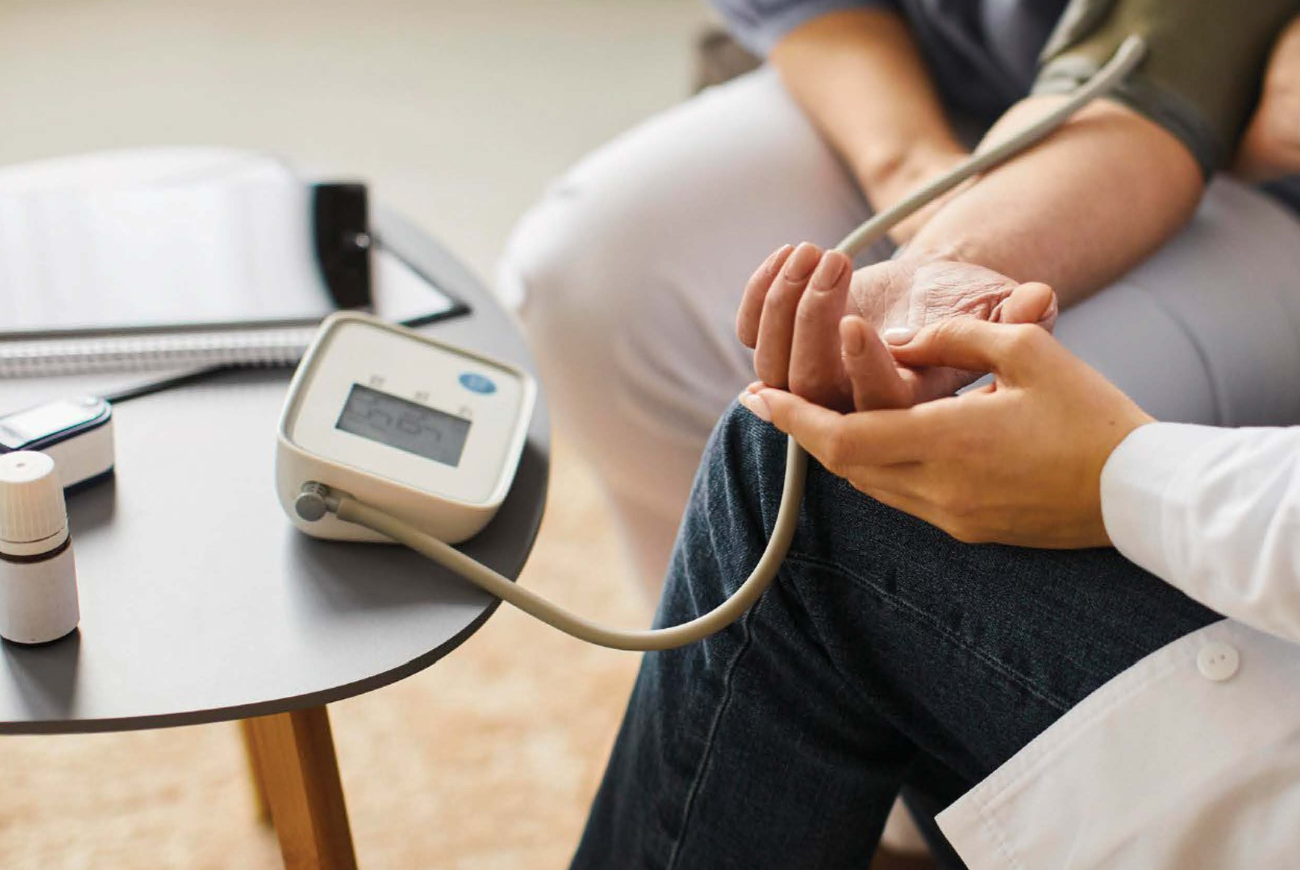

Cholesterol is a waxy substance found in your blood, and your body needs it to build healthy cells. While it is necessary for normal cellular function, having excess amounts of this substance in your bloodstream can lead to health complications. High cholesterol occurs when there’s a buildup of fatty lipids in your blood vessels, which may cluster together over time. This process doesn’t always cause immediate symptoms, making regular health screenings a key part of maintaining your cardiovascular health. By learning about how these lipids function in the body, you can take informed steps toward supporting your cardiovascular system.
Borderline and High Cholesterol Types
Understanding your cholesterol profile involves recognizing the categories and measurements healthcare professionals use to evaluate your vascular health. When discussing elevated lipid levels, healthcare providers typically refer to the balance between low-density lipoprotein (LDL) and high-density lipoprotein (HDL). Having high cholesterol means you have elevated LDL levels in your blood, as LDL proteins transport cholesterol. The balance between LDL and HDL carriers determines how effectively your body processes and clears excess fats. There are two types of cholesterol diagnoses: Borderline high and high cholesterol.
High cholesterol occurs when LDL levels, commonly known as “bad cholesterol,” are elevated in the blood. It often requires medical intervention, lifestyle changes, or a combination of both to manage effectively. Borderline high cholesterol conditions indicate lipid levels are above the recommended healthy range, but they aren’t severe yet. While it may not immediately pose a serious risk, borderline high LDL levels are a warning sign. It provides an opportunity to take preventive measures to avoid progression to high cholesterol.
High cholesterol can lead to the accumulation of fatty deposits in the arteries, increasing the risk of serious conditions such as heart disease, stroke, and atherosclerosis. Lifestyle changes can improve cholesterol levels over time, and some ways to start are:
- Adopting a Balanced Diet
- Increasing Physical Activity
- Addressing Personal Health Factors (i.e., Chronic Conditions or a Family History of Cardiovascular Concerns)
Blood tests are used to determine if your lipid levels fall into a normal, borderline high, or strictly high category. Monitoring these numbers closely allows you to make lifestyle adjustments before the levels progress. Identifying cholesterol issues early allows for timely lifestyle changes and other interventions, helping you improve your heart health.
LDL Cholesterol and Health
Low-density lipoprotein is called “bad” cholesterol because of its behavior in the vascular system. When there is excessive LDL circulating in the bloodstream, it tends to deposit on the inner walls of the arteries. This buildup narrows the blood vessels, and it restricts the normal flow of oxygen to your heart.
The accumulation of LDL leads to atherosclerosis, a condition characterized by hardened and narrowed arteries. As these pathways narrow, the cardiovascular system experiences increased strain. Managing LDL levels is a primary focus for preserving vascular elasticity, allowing blood to circulate more effectively throughout the body. You should visit a specialist if you experience any symptoms like:
- Shortness of Breath
- Chest Pain (Especially During Exertion)
- Jaw Pain
High Cholesterol and High Blood Pressure
High cholesterol and high blood pressure frequently occur together, acting as interconnected factors in cardiovascular health. When LDL cholesterol forms plaque deposits along the arterial walls, the space available for blood flow is restricted. The heart must exert more force to push blood through these narrowed passages. This increased force against the arterial walls is what doctors measure as elevated blood pressure.
The presence of plaque changes the physical nature of the blood vessels. Plaque causes the arteries to become stiff, so they cannot expand properly to accommodate blood flow. This rigidity forces the circulatory system to maintain a constant higher pressure. Because both conditions often develop without obvious symptoms, structural changes in the arteries can progress silently, underscoring the value of routine evaluations.
Visit a Cardiologist Today
Your cardiovascular health is complex, but a specialist can help you make informed treatment decisions. A thorough evaluation by a medical professional can provide a clear picture of your specific vascular health. Visit a cardiologist today to discuss your lipid profile, review your blood pressure numbers, and receive personalized guidance.
