

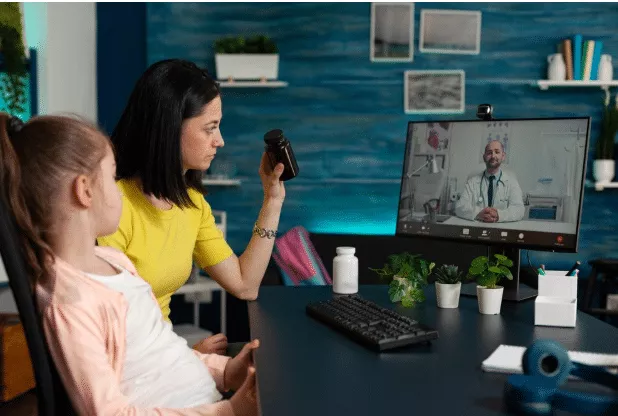

Virtual psychiatric care provides mental health services through digital platforms. Patients interact with psychiatrists using video calls, and these professionals diagnose various mental health conditions remotely. This approach offers an alternative to traditional in-person visits. Here is more information on this type of psychiatric care, what it involves, the conditions it treats, and the benefits of professional care:
What Is Virtual Psychiatric Care?
Virtual psychiatric care is a branch of telemedicine focused on mental health evaluations and treatments. It connects patients with licensed psychiatrists via secure internet connections, and it allows for real-time clinical assessments. The platforms used comply with standard medical privacy regulations. Psychiatrists conduct interviews via these digital channels and formulate treatment plans based on patient responses.
What Does It Involve?
The initial step involves a comprehensive psychiatric evaluation. A psychiatrist asks questions about the patient’s medical history, and the patient provides details about their current symptoms. This data collection phase is similar to traditional clinical protocols. The professional reviews any previous medical records and determines a formal diagnosis based on this information.
After the assessment, the psychiatrist develops a customized care plan. This plan outlines specific therapeutic interventions and may include medication management guidelines. Follow-up appointments track the patient’s progress over time. The psychiatrist monitors symptom changes during these sessions, and they adjust the treatment plan when necessary.
What Conditions Does It Treat?
Virtual care addresses a wide range of mental health disorders. Psychiatrists treat common conditions like depression, and they manage anxiety disorders through these remote platforms. The service also covers post-traumatic stress disorder and obsessive-compulsive disorder. Patients with bipolar disorder receive ongoing monitoring, and individuals with eating disorders participate in structured online therapy.
Substance use disorders are also treated with remote care, with psychiatrists conducting routine assessments for withdrawal symptoms. The digital format allows for frequent check-ins during early recovery phases. Medical professionals track behavioral changes over time, and they may prescribe specific medications to reduce cravings.
Virtual platforms support the management of attention-deficit/hyperactivity disorder (ADHD). Providers may utilize standardized rating scales to measure attention deficits, and patients report their daily cognitive challenges. These metrics guide medication prescribing, with the psychiatrist adjusting ADHD medication dosages based on patient feedback.
What Techniques Do Psychiatrists Use?
Psychiatrists employ evidence-based therapies during virtual sessions. Cognitive-behavioral therapy (CBT) helps patients identify negative thought patterns, and interpersonal therapy (IPT) focuses on improving relationship dynamics. Providers also utilize psychodynamic therapy to explore unconscious processes. These conversational methods translate to video formats, potentially yielding measurable clinical outcomes.
Relaxation techniques complement standard conversational therapies. Psychiatrists may guide patients through mindfulness meditation, and they teach deep breathing exercises. These methods help regulate the nervous system during stressful periods. The patient may practice these skills between sessions, and the psychiatrist will review their effectiveness.
How Is Professional Care Beneficial?
Professional care provides medical diagnoses for complex mental health symptoms. Regular monitoring helps stabilize the patient’s condition, and consistent therapeutic support improves overall functioning. The remote model eliminates geographical barriers to access to specialized medical care. Individuals attend sessions from their homes, saving time previously spent commuting to clinics.
Consult a Psychiatrist Today
Virtual psychiatric care delivers structured mental health treatments directly to patients. The process involves systematic evaluations, and it utilizes standard therapeutic techniques. Schedule an initial consultation online and start your structured treatment plan to improve your mental health.
