

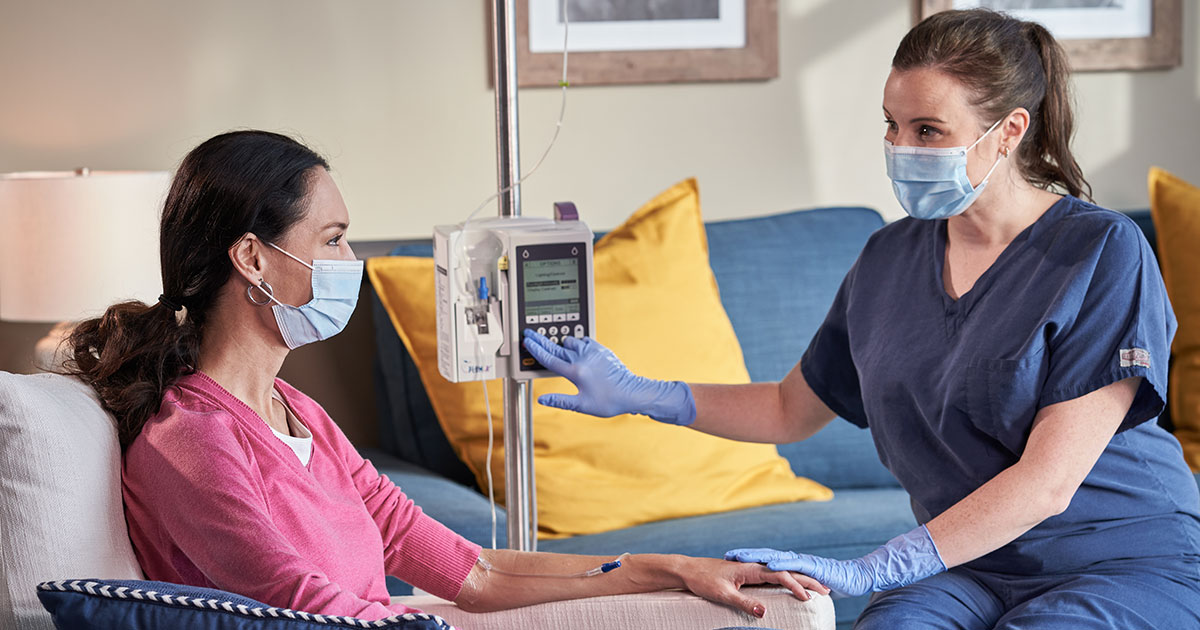

Oncology support involves various clinical therapies that address the physical changes that occur during cancer care. Patients often experience significant physical challenges, and medical teams utilize targeted protocols to address these specific symptoms. Because chemotherapy and radiation affect healthy tissues alongside malignant cells, oncologists prescribe distinct interventions to manage the resulting physical responses. Integrative wellness therapies support cancer recovery in many ways.
Integrative Therapy Options
Integrative therapy options aid in enhancing the overall well-being of patients undergoing cancer treatment. These therapies are designed as oncology support, addressing not only physical symptoms but also emotional and mental health. Common integrative practices include acupuncture, dry needling, electroacupuncture, ozone therapy, and other treatment options. These may help alleviate pain and nausea, reduce stress, and promote healing.
By incorporating these holistic approaches, patients can experience a more balanced and supportive treatment plan that focuses on both recovery and resilience. Lifestyle changes may be prescribed to address symptoms and help with recovery. While some prescribed changes may be small, they can cause significant improvements in wellness. Therapies work side by side with cancer treatment to provide patients with more comfort throughout the treatment process.
Side-Effect Management
Individuals may experience a wide range of side effects while receiving treatment for cancer.
- Nausea, vomiting, and appetite loss
- Fatigue and unrestful sleep
- Hot flashes or dry mouth
- Fertility issues
- Anxiety and mood disorders
These side effects can decrease the quality of life for many individuals, both during and after treatment. Symptoms frequently follow medical interventions for cancer. Care teams implement standardized protocols to mitigate these physical reactions and improve a person’s recovery process. Holistic therapies can help to address these issues, even if a person is in remission.
Lifestyle changes and integrative medicine can help reduce these symptoms. A doctor can prescribe a personalized plan to improve healing and support cancer treatment. Holistic therapies can increase blood flow, carrying nutrients around the body that are necessary for healing.
CIPN Treatment
Chemotherapy-induced peripheral neuropathy (CIPN) damages peripheral nerves and occurs when a person undergoes chemotherapy treatment. This condition can cause numbness or tingling in the extremities, and some doctors may diagnose it as a permanent condition. Because nerve damage alters sensory perception, integrative medicine can help reduce CIPN symptoms, even when CIPN has been categorized as permanent. Holistic medicine aims to reduce pain for individuals experiencing CIPN.
Cancer Recovery Support
Holistic rehabilitation focuses on restoring natural functional capacity. Because the body requires specific nutrients to repair tissues, nutritional therapy provides the exact necessary whole-food building blocks. Prolonged rest diminishes muscle strength, and movement specialists can implement progressive restorative exercises. While cardiovascular stamina gradually increases, clients engage in controlled mindful movement. Improving blood circulation can also help alleviate symptoms and increase muscle regrowth.
Schedule an Oncology Support Consultation
Because each patient presents a unique medical history, consultations allow doctors to assess individual needs and symptoms. These symptoms inform doctors to help them create a plan unique to each individual. Contact a wellness clinic today to discuss options for you or your loved ones who are or have received cancer treatment.
