

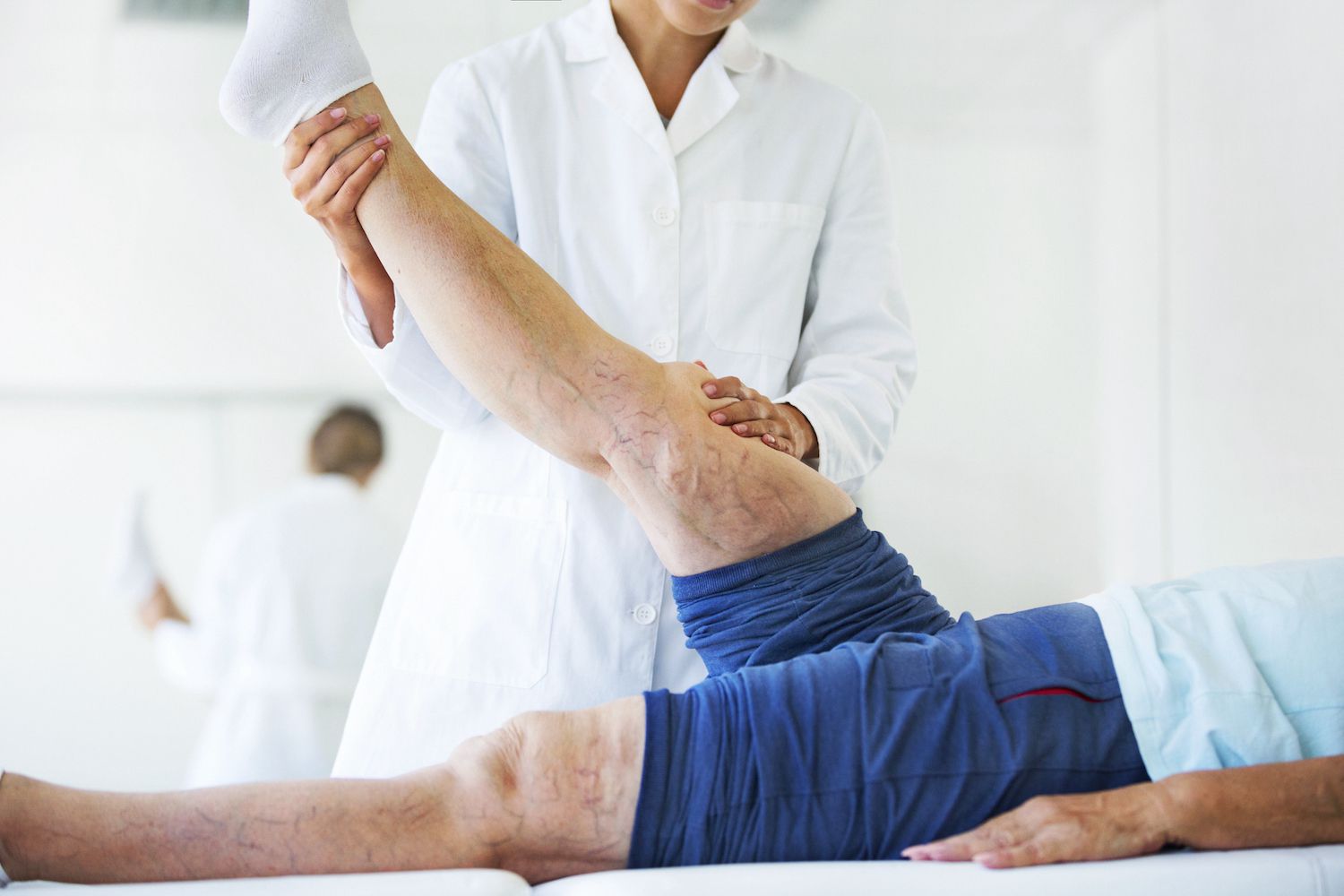

Varicose veins are twisted and enlarged blood vessels, and they may bulge near the skin surface. Many adults experience physical discomfort from these swollen veins, so they seek effective symptom management. While home remedies do not cure the underlying condition, specific daily habits relieve mild aches. Here are some remedies for reducing varicose vein symptoms:
Wear Compression Hoses
Doctors may recommend supportive compression stockings for patients with varicose veins, and these specialized garments gently squeeze the legs. The applied pressure effectively promotes blood flow upward toward the heart throughout the day. When blood moves efficiently through the vessels, individuals typically feel less aching in their lower extremities. These medical compression hoses are available in various sizes for daily use.
Elevate Legs Above Heart
Gravity constantly pulls your circulating blood down into the lower extremities during the day. Because leg veins fight gravity to return blood, lifting the legs may provide immediate physical relief. You rest your calves on a soft couch pillow, or you recline in a chair. This simple action uses gravity to your advantage for better overall leg comfort.
While you raise your feet above your heart, pooled fluid drains away from swollen vessels. Proper leg elevation requires minimal physical effort from the patient during a busy afternoon. People practice this relaxing habit during the evening, and it gives the body a break. Resting with elevated legs helps reduce the heavy feeling associated with tired lower limbs.
You lift your legs for several minutes at a time and repeat this daily. Daily consistency brings noticeable symptom relief over a long period of time. If you maintain a regular elevation schedule, the visible swelling decreases steadily throughout the week. Patients can incorporate this helpful resting technique into their normal evening routine.
Exercise Regularly
Regular physical activity directly engages the strong calf muscles in your lower legs. As the leg muscles contract rhythmically, they push blood back up through the venous system. Low-impact activities build leg strength, but they do not strain the joints excessively. Doctors encourage daily movement routines to maintain healthy circulation in the lower body extremities.
You try swimming a few days a week, or you pedal a stationary exercise bicycle. These specific aerobic exercises aim to keep the blood moving efficiently without adding extra physical stress. Since heavy weightlifting increases abdominal pressure, patients avoid lifting excessively heavy objects at the gym. A moderate walking schedule may provide circulatory benefits for people with painful, swollen veins.
Avoid Sitting Too Long
Remaining seated for hours causes blood to pool, so people take frequent short movement breaks. When you sit at a desk all day, your circulation naturally slows down over time. Workers implement these quick movement strategies into their daily routine for better physical comfort:
- Stand up completely straight periodically.
- Flex your ankles back and forth repeatedly.
- Walk around the office briefly during breaks.
Get Treated for Varicose Veins
Home remedies relieve minor lower leg swelling, but they do not eliminate damaged veins entirely. Modern medical clinics offer minimally invasive procedures to address the root cause of the problem. If your symptoms persist after trying lifestyle changes, a medical specialist evaluates your specific condition. Call a local clinic today to schedule a comprehensive consultation about your available treatment options.
