

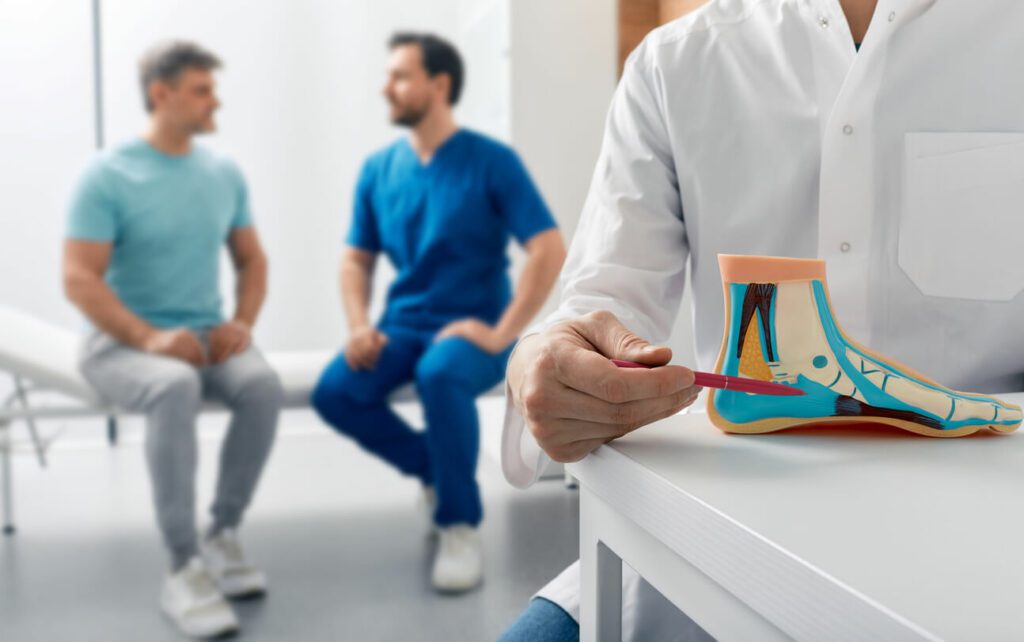

Proper footwear protects your overall foot health. Shoes provide daily support, and they can prevent structural damage. When you wear unsupportive shoes, your foot health may suffer. There are podiatry treatments available for your foot health.
Causes of Foot Problems
Shoes that are too tight or lack arch support may affect walking patterns and cause strain. Many factors contribute to structural foot problems. Improper footwear can cause deformities, and genetics can predispose you to certain abnormalities. Because lifestyle factors like obesity exist, foot pressure increases, and poor hygiene complicates these conditions. Hard surfaces increase callus and corn risk, and prolonged standing stresses the feet. This is especially true with flat feet. Routine neglect of nail care sometimes results in ingrown toenails. Some people may develop bunions, hammertoes, or other conditions even with proper footwear.
Conditions Requiring Treatment
Improper shoes can cause lasting structural changes in the feet. Your podiatry specialist may have specific shoe recommendations. Tight shoes can cause bunions, and poorly designed shoes create painful hammertoes. If footwear is too tight, toes can overlap, leading to painful corns. Constant pressure from ill-fitting shoes leads to calluses, so thick skin forms as the body protects itself from friction. Individuals with flat feet who do not wear supportive shoes may experience worsening arch pain and a risk of tendinitis. When ingrown toenails become severe or frequently recur, pain and infection interfere with walking. Neuropathy reduces foot sensation, and it could cause a delay in the recognition of injuries. Chronic diseases require specialized daily foot management. Flat feet lack arches, which alters your walking stride.
Treatments for Foot Health
Podiatry providers start with conservative foot treatment methods. Physical therapy restores mobility, and orthotics provide necessary structural support. Supportive footwear spreads pressure evenly, and this may prevent corns and calluses. When inflammation occurs, doctors prescribe anti-inflammatory drugs, and lifestyle modifications reduce daily stress. Teaching patients proper shoe fit and foot hygiene often reduces recurring foot issues over time. Sometimes, using custom insoles or shoe inserts improves comfort and corrects alignment. Stretching exercises and home routines can help with recovery, so patients maintain flexibility and strength. If pain persists or a deformity progresses, further evaluation is necessary.
Your provider will use imaging to determine the extent of damage, and they guide your treatment plan. Conservative methods are available, but combining them can be beneficial when several issues are present. Rehabilitation is valuable after major injuries or surgeries, and some people regain full mobility with consistent effort. Early intervention helps, and regular follow-up appointments address concerns before they become complex problems. Open communication with your healthcare provider supports ongoing comfort and long-term foot health. Severe conditions sometimes need direct medical intervention. Podiatry specialists prescribe antibiotics for infections, and they may use corticosteroid injections. If conservative treatments fail, bunionectomy corrects the bones, and reconstructive surgery repairs major damage.
Podiatry Consultations for Foot Health
Proper footwear maintains your daily foot health. Supportive shoes prevent injuries, and regular podiatry checkups catch problems. Since chronic conditions can worsen quickly, you should consult a podiatrist. They will offer personalized advice. Discuss footwear for your health today.
