

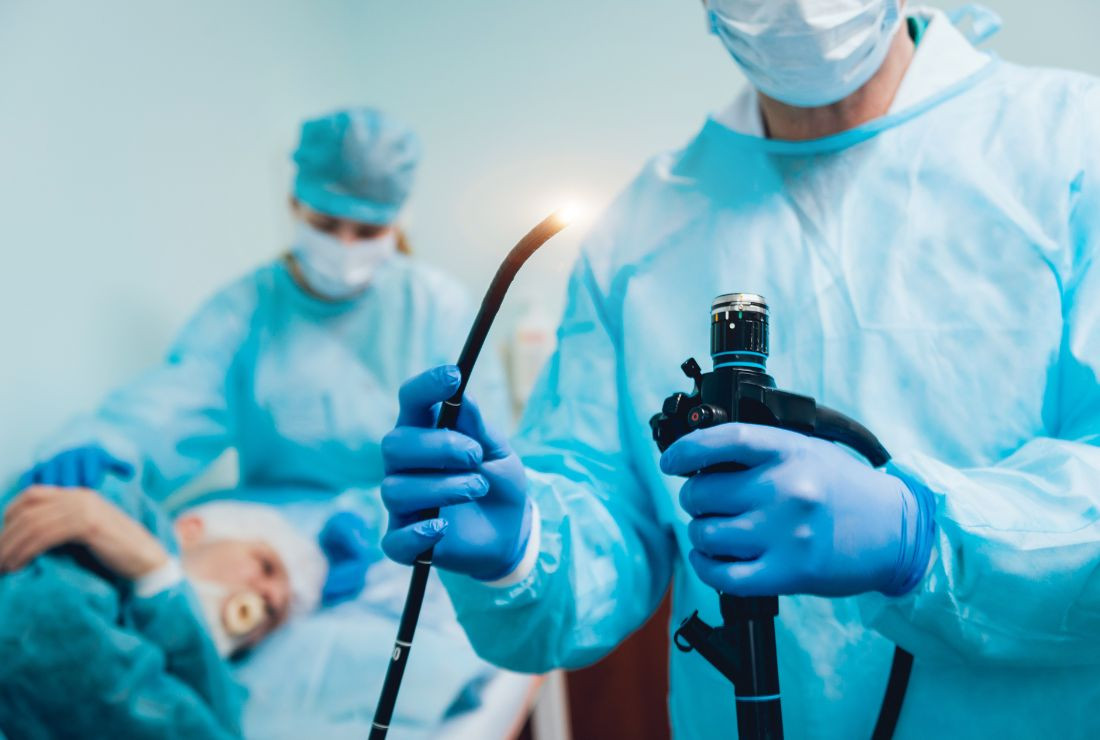

Digestive health concerns can affect daily comfort, eating habits, and overall well-being. When symptoms such as abdominal pain or difficulty swallowing continue, endoscopy may help doctors examine the digestive tract more closely and identify possible causes. As a minimally invasive diagnostic procedure, endoscopy can support early detection, accurate diagnosis, and informed treatment planning. Here’s a closer look at the benefits of endoscopy for digestive health:
Detecting Digestive Problems Early
Detecting stomach problems early is a key step in successful medical treatment. An endoscopy allows doctors to detect small changes in your tissue before they develop into serious conditions. Doctors can identify early signs of ulcers or inflammation, and they can treat these issues quickly before complications arise.
Catching diseases early often leads to better medical outcomes for patients. When doctors identify a problem in its earliest stages, they have more options for effective and conservative care. Early detection also prevents the need for invasive surgeries down the line. A doctor can remove small growths during the initial exam, and this prevents those growths from expanding into larger masses.
Diagnosing Ongoing Symptoms Accurately
Chronic symptoms require a precise diagnosis to determine the right medical approach. If you have acid reflux or persistent nausea, an endoscopy reveals the exact state of your internal organs. The camera provides clear detail, and the doctor can take tissue samples for further testing in a laboratory. The visual evidence from the camera removes the guesswork, which allows doctors to confirm conditions like celiac disease or gastritis.
Guiding Personalized Treatment
Every patient requires a medical plan that aligns with their specific physical condition. An endoscopy provides the data needed to build these tailored health strategies. Once the doctor identifies the underlying issue, they can prescribe medication or dietary changes that will be most helpful for your anatomy.
Personalized care leads to better management of chronic digestive disorders. If a doctor finds a bleeding ulcer during the test, they can treat the wound right away using special instruments. This targeted approach fixes the immediate problem, and it helps the medical team plan your future recovery steps accurately.
Supporting Long-Term Digestive Health
An endoscopy is a minimally invasive procedure that provides long-term health benefits without the risks of major surgery. Patients recover quickly from the mild sedative, and they can usually go home the same day to rest. The procedure offers the following long-term health advantages:
- Monitoring chronic conditions like Crohn’s disease over a span of several years.
- Removing small intestinal polyps before they turn into dangerous malignancies.
- Evaluating how well current prescription medications are working for the patient.
These benefits make the procedure a fundamental part of continuous digestive care. The doctor tracks your internal health over the years, and they make sure your digestive system functions properly through regular check-ups.
Book Your Endoscopy Appointment Today.
An endoscopy is a key procedure for detecting, diagnosing, and treating digestive tract problems. The tiny camera gives doctors a clear view of your stomach, and the accurate information it provides guides your personalized treatment plan. The minimally invasive nature of the test also makes it a safe choice for ongoing medical care and observation. Contact a qualified gastroenterologist near you to book your endoscopy appointment today.
