

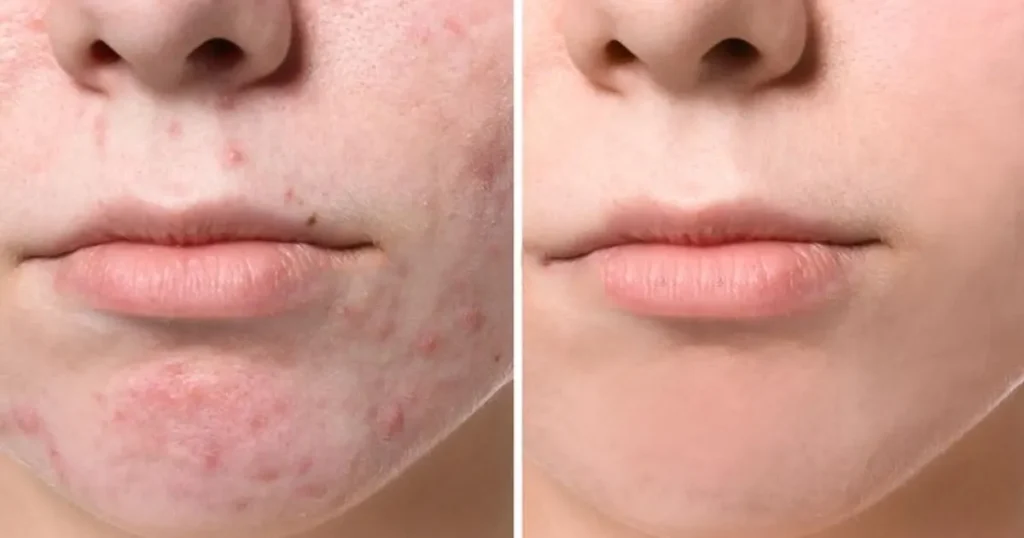

Acne is a common skin condition, and it affects millions of individuals worldwide. Different skin types react differently to breakouts, so your unique complexion dictates an effective approach to healing. Oily, dry, combination, and sensitive profiles all require tailored care. Because the wrong product can irritate the skin, matching your treatment to your exact profile leads to better results.
Understanding Acne Causes
Medical professionals define acne as an inflammatory condition, and it develops when hair follicles become clogged with oil and dead skin cells. Bacteria can multiply in these blocked pores. When this happens, inflammation causes red bumps or whiteheads. Hormonal changes play a role in this process, and genetics also contribute to the risk of acne breakouts.
Other factors that contribute to acne include environmental elements and lifestyle habits. Excessive exposure to pollutants or high-humidity environments can worsen the skin’s condition by increasing oil production and clogging pores. Certain skincare products or cosmetics that contain comedogenic ingredients may block follicles, and this exacerbates breakouts.
Stress is another significant trigger, as it prompts the body to release hormones like cortisol, which is associated with increased blemishes. Diet also plays a role; High-glycemic foods and dairy products potentially influence the frequency and severity of acne. Understanding these causes helps individuals make informed choices about their environment, habits, and skincare routines to better manage their skin health.
Identifying Skin Types
Dermatologists classify skin into a few primary categories. Normal skin maintains a good moisture balance, but oily skin produces excess sebum. Dry skin lacks sufficient natural oils. Because combination skin features both dry and oily areas, it presents unique challenges for daily care.
Sensitive skin is another distinct category. It reacts poorly to harsh ingredients and fragrances, so gentle care matters for this skin type. If you have a sensitive profile, you might experience redness or burning after applying certain products.
Exploring Treatment Options
Medical treatments target the root causes of breakouts. Salicylic acid clears clogged pores, and benzoyl peroxide kills surface bacteria. Since dry skin flakes easily, hydrating treatments work well for this profile.
Oily skin requires different interventions. Retinoids reduce oil production, and they help shed dead skin cells. If you have sensitive skin, milder acids provide a safer alternative.
Different profiles benefit from specific routines:
- Dry skin: Hydrating cleansers and low-concentration acids.
- Oily skin: Foaming washes and retinoid creams.
- Combination skin: Spot treatments for oily zones.
- Sensitive skin: Fragrance-free lotions and gentle exfoliants.
Recognizing Treatment Signs
Over-the-counter products work for mild cases, but severe breakouts may improve with professional care. Deep cysts indicate a deeper medical issue. If your skin leaves scars after a breakout heals, a doctor can help you with treatments to reduce the appearance of scarring.
Persistent pain is another sign of the need for medical care. A doctor can prescribe stronger medications, and they provide in-office therapies. Because untreated inflammation may cause permanent damage, timely medical intervention prevents long-term scarring.
Learn More About Acne Treatment
Finding the right treatment for your acne and skin type may take time, and understanding your complexion helps you find the care you need. Proper care reduces inflammation and leaves the skin properly hydrated. If you want to learn more about your skin type and acne treatment, consult a dermatologist near you.
