

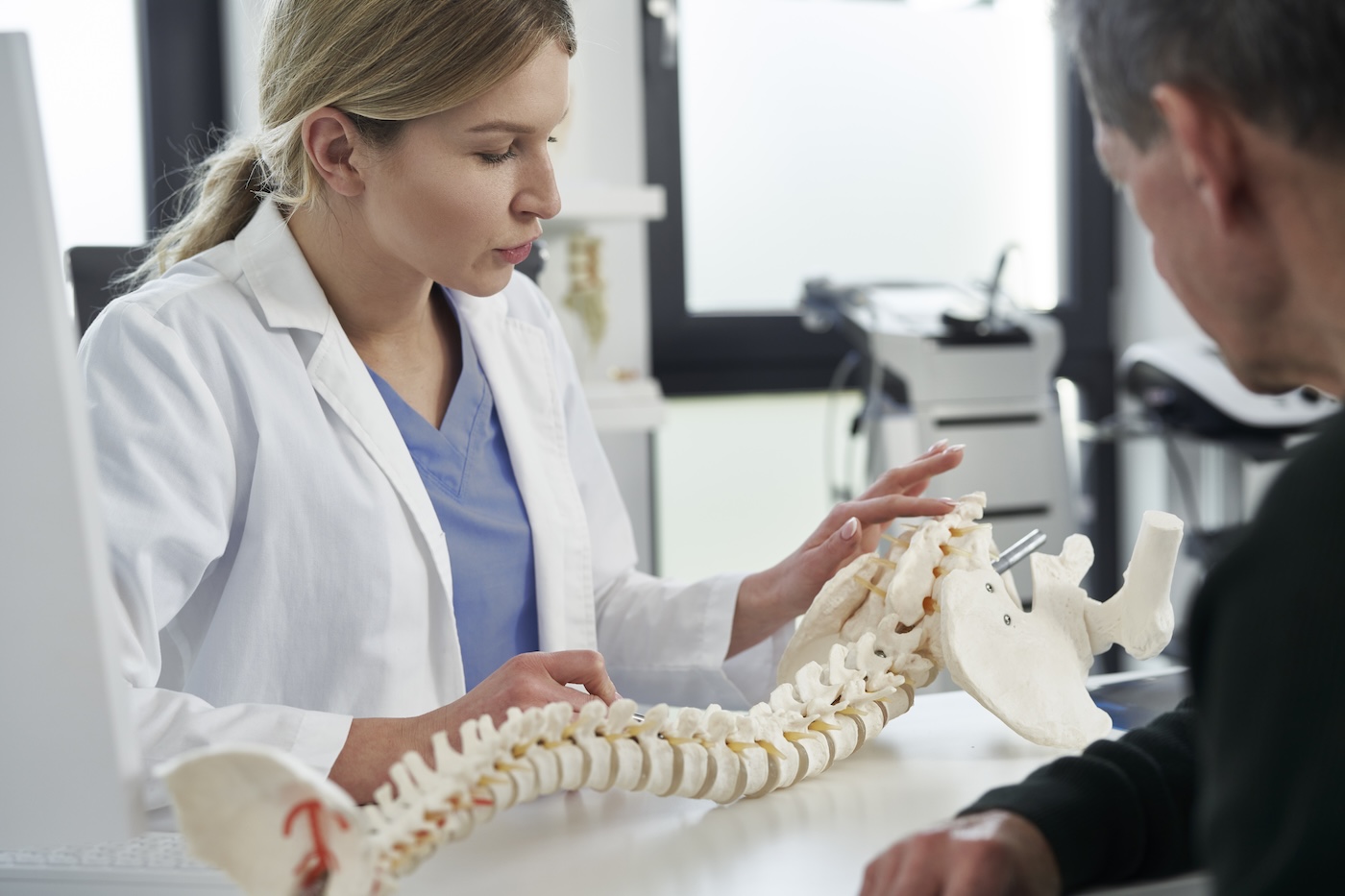

Spine surgery involves various procedures designed to address structural issues within the spinal column. Patients undergo a period of rehabilitation and benefit from following specific clinical guidelines to heal properly. The recovery process requires careful attention to physical activity, and medical professionals may provide detailed home care instructions. Here is more information on postoperative care tips:
What Is Spine Surgery?
Spine surgery is a medical intervention that targets abnormalities or injuries in the vertebrae, discs, or spinal nerves. Surgeons perform these procedures to correct anatomical defects, and they use specialized techniques to access the affected areas. Patients typically spend time in a recovery unit immediately following the operation. Medical teams closely monitor heart rate and blood pressure and adjust pain management protocols based on patient responses.
What Are the Different Types?
Several distinct procedures exist within the field of spinal surgery. Spinal fusion permanently connects two or more vertebrae, preventing motion between the affected bones. Discectomy involves the removal of the damaged portion of a herniated disc. This relieves pressure on the spinal nerves, and it may alleviate radiating arm or leg pain.
Artificial disc replacement serves as an alternative to spinal fusion. Surgeons replace a degenerated disc with a synthetic device, which helps maintain normal spinal motion. A laminectomy removes the back part of the vertebra that covers the spinal canal, and it enlarges the spinal canal to relieve pressure on the spinal cord.
Why Are They Conducted?
Medical professionals recommend spine surgery to address structural abnormalities that cause severe pain or neurological deficits. Conditions such as herniated discs, spinal stenosis, or spinal fractures often require surgical intervention. Nonsurgical treatments may fail to provide relief, so doctors proceed with surgical options to prevent permanent nerve damage. The main goal is to stabilize the spine or decompress pinched nerves to restore physical function.
What Does Recovery Involve?
The recovery phase begins immediately after the surgical procedure concludes, and patients typically spend time in the hospital. Physical therapists may initiate gentle movement exercises during in-hospital recovery. The initial focus remains on basic mobility and pain control, with full rehabilitation potentially taking several months. Patients slowly resume their daily activities based on clinical evaluations.
What Are Postoperative Care Tips?
Postoperative care requires strict adherence to the instructions provided by the surgical team. Proper wound management includes keeping the surgical site clean and dry, which reduces the risk of infection. Pain medication should be taken exactly as prescribed. Physical therapy sessions help rebuild strength, and routine walking promotes healthy blood circulation throughout the body.
Patients benefit from modifying their daily routines to protect the healing spine. Bending, lifting, and twisting movements should be avoided during the initial postoperative phase. The surgical team may provide specific lifting restrictions and demonstrate safe ways to transition in and out of bed. Proper sleeping posture supports spinal alignment, so patients should use supportive pillows as directed by their physical therapist.
Environmental modifications at home prevent accidental falls and unnecessary strain. Patients should remove tripping hazards, such as loose rugs, and place frequently used items within easy reach. Specialized equipment, such as raised toilet seats, reduces the physical demands on the spine. A stable shower chair provides support during daily hygiene routines, and slip-resistant mats offer additional safety in wet areas.
Seek Professional Guidance Today
Proper postoperative care influences the final outcome of spinal procedures. Patients should contact their medical team if they observe signs of infection. Consistent follow-up care tracks the healing process, and it helps identify areas of concern. Schedule a consultation with a healthcare provider today to discuss your rehabilitation needs.
