

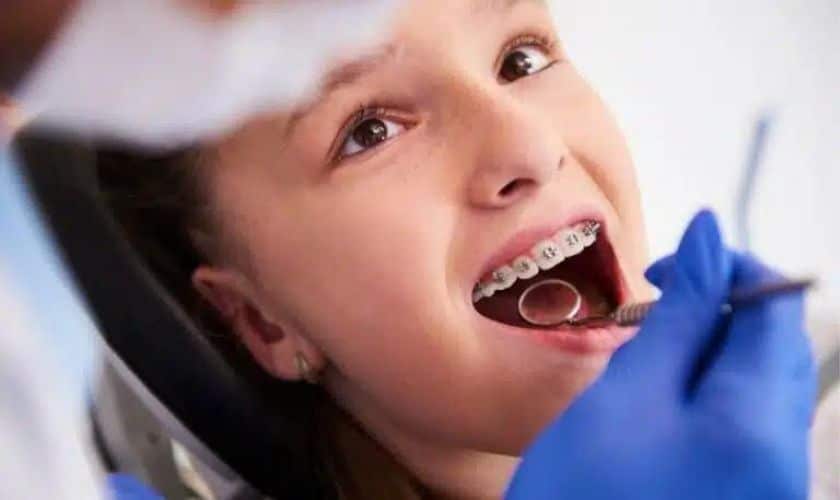

Children require specialized orthodontic care during their developmental years. Their jaws are still growing, and early children’s orthodontics provides significant medical advantages. Because early intervention guides jaw growth, it may prevent severe issues. Proper alignment supports long-term oral function.
Unique Needs and Treatments
A child’s skeletal structure is rapidly developing. Children’s orthodontics closely monitor facial growth, and they adapt treatments to each stage. Children’s bones are more flexible than adult bones, so making changes early is sometimes easier. Children retain primary teeth, which makes timing a key part of the process. Professionals assess care timing by evaluating dental and jaw development.
Since permanent teeth emerge at different ages, orthodontists plan around each child’s growth schedule. Regular checkups track changes over time. Treatment timing matters for pediatric patients. Doctors track jaw development and intervene at times that suit an individual child’s needs, sometimes recommending appliances like expanders or space maintainers. During periods of rapid growth, the jaw’s shape can change. Orthodontists use this time to guide the jaw forward, or they can widen the palate. Bones are still pliable, so modifications occur more smoothly. Recovery from procedures may be less difficult for younger patients. Consistent monitoring allows timely adjustments to keep development on track.
Common Conditions in Children
Orthodontists address specific dental conditions in children using approaches tailored to individual needs. Some children experience crowding due to insufficient space for all teeth, while others have excessive space, causing gaps. If a child loses primary teeth early due to decay or injury, orthodontists use space maintainers to help permanent teeth come in correctly. Thumb sucking affects tooth alignment. This habit leads to an open bite, where the upper and lower front teeth do not touch, but early appliances or strategies help change the behavior. Bite concerns such as underbites, overbites, and severe overjets are addressed early to support proper function. An overbite is managed with professional attention, and this encourages balanced jaw and dental growth. These conditions influence how teeth fit together, so early orthodontic support helps children maintain better oral function.
Early Benefits and Intervention
Early intervention offers practical advantages for growing children. Specialists may use appliances, such as expanders, to guide jaw growth and create better facial symmetry as children develop. Doctors place space maintainers to help save space for teeth that have yet to erupt, protecting the position of incoming permanent teeth. Making more room for these teeth manages crowding when new teeth emerge in a developing smile. While primary teeth eventually fall out, they guide permanent teeth into place. Preserving space matters for long-term positioning. Timely care helps make future orthodontic procedures more straightforward and easier to manage. Pediatric treatments lay a foundation that simplifies care when braces or aligners are needed later on. Early intervention allows for timely adjustments, so do not hesitate to make an appointment.
Book Children’s Orthodontics Today
Children benefit from early assessments, and parents gain clear treatment timelines. Early orthodontic care supports long-term oral health. Before dental issues escalate, schedule a consultation. An orthodontist will thoroughly evaluate your child. They assess current jaw development and outline a clear treatment plan. If you notice alignment concerns, book an appointment to protect your child’s dental future.
